Author: Natascha Elsner

  • ViCut

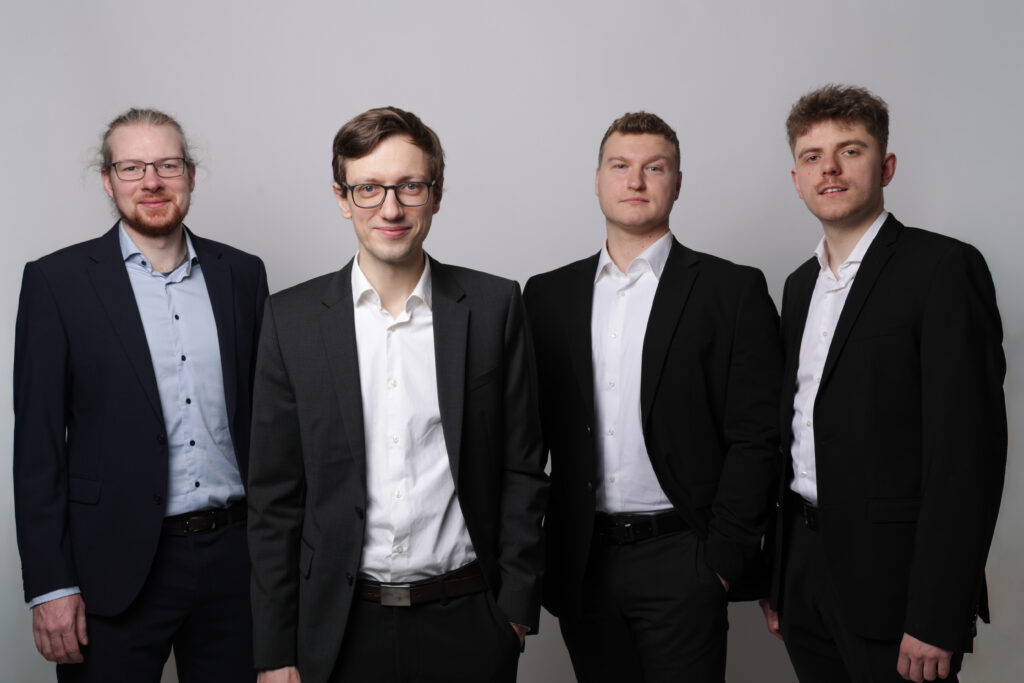
    ViCut offers manufacturing companies the opportunity to analyze and optimize their manufacturing processes in the field of clamping operations using simulation-based methods. Costly trial-and-error experiments and scrap parts are reduced, resources are saved, and new opportunities for increasing productivity are created.

    Der große Vorteil des HIGH-TECH.NRW Accelerators ist die Fokussierung auf Start-ups bzw. Gründungsvorhaben mit ähnlichem Hintergrund und damit auch ähnlichen Herausforderungen. So lassen sich Lösungsansätze anderer Vorhaben auch gut auf die eigene Idee übertragen. Zudem wird die gute Qualität des Programms durch visionäre Organisatoren, das große und motivierte Mentorennetzwerk sowie interessierte Industriepartner erzielt.

    Dr. Eugen Krebs

  • KINEMO

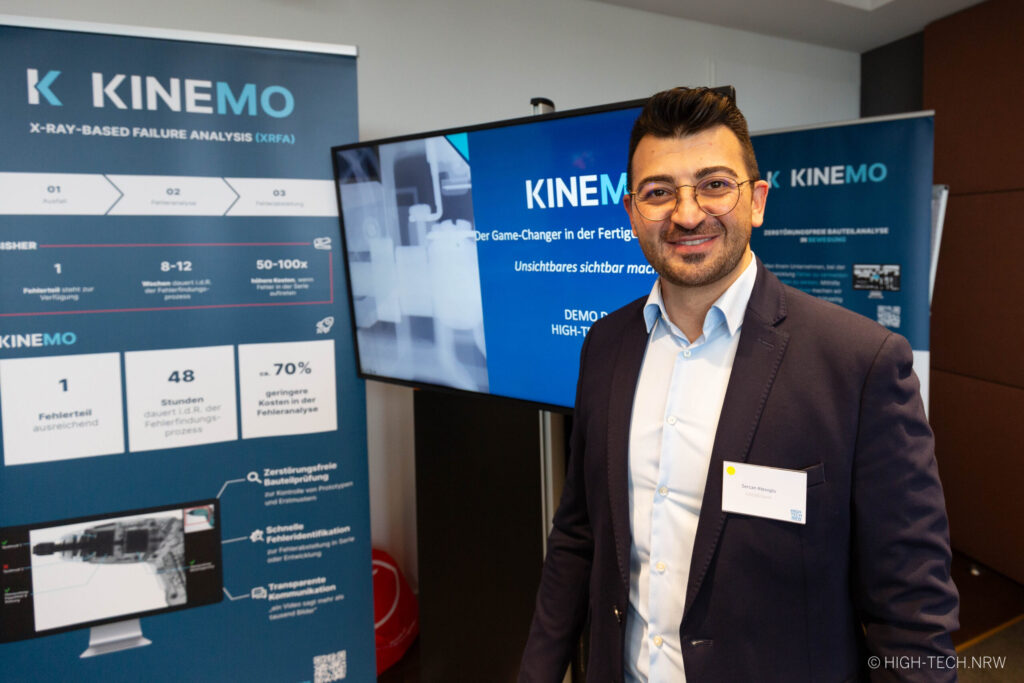
    Founder Sercan Atesoglu

    KINEMO stands for Kinematics & Motion and provides services in the field of X-ray-based component analysis within the troubleshooting process. Based on video X-ray analysis, internal movements of physical products can be visualized non-destructively. This makes it possible to transparently display and analyze hidden product information—such as functional failures or acoustic issues—during prototype development or series production. Troubleshooting, which can conventionally take up to 12 weeks or longer, is reduced to just 48 hours using KINEMO’s method. This results in significant savings in labor and quality-related costs.

  • RayVen

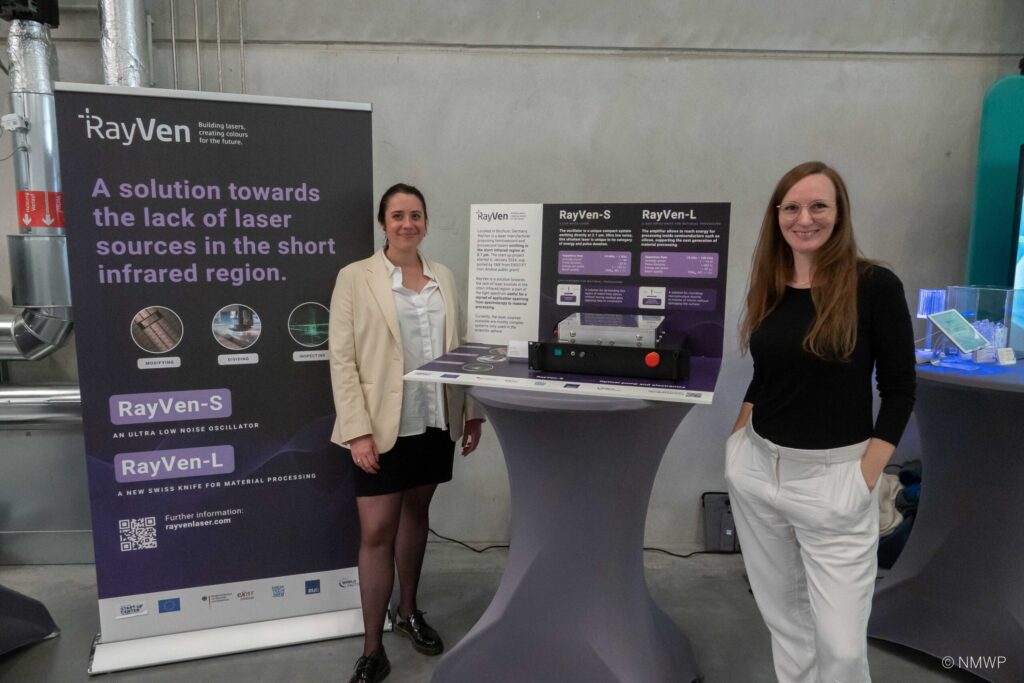
    Founders from left Dr. Celia Millon und Melusine Reimers

    The Bochum-based start-up RayVen (formerly HoLa) has developed a groundbreaking ultra-fast laser that emits at a wavelength of 2.1 µm. It has the potential to revolutionise material processing (polymers, semiconductors). The current market gap that has been identified lies in the volume modification of silicon, which represents a suitable alternative to photolithography for precise modifications down to the micrometre scale. Using this cutting-edge technology, complex microchannels can be etched to improve the cooling of next-generation stacked chips. RayVen is also exploring precision surgical applications as part of its long-term vision.

    Mentors were the standout feature of this accelerator. Equally crucial was the connection and support from fellow deep tech start-ups. In the end, the challenges you encounter as a deep tech, hardware start-up are incredibly unique, and it’s invaluable to share insights with your peers.

    Dr. Celia Millon

  • CerBaTec

    CerBaTec is a spin-off from Forschungszentrum Jülich and develops sodium-based ceramic solid-state batteries for extreme operating conditions. The technology enables reliable energy storage at temperatures ranging from 85 °C to 300 °C – a range in which conventional batteries fail. This opens up new applications for the IoT in critical infrastructure, such as in energy and industrial facilities, where temperature stability, safety and longevity are crucial. The combination of non-flammable materials, locally available sodium and a robust ceramic design makes the batteries highly safe, sustainable and resource-efficient. CerBaTec thus offers a solution for resilient energy supply in harsh environments – a key to resilient, future-proof infrastructure.

  • Vehicle SoundLab GmbH

    Team

    Vehicle SoundLab is an acoustic startup based in Dortmund, Germany, that develops sound solutions for electric vehicles and acoustically demanding machines and products. The technology combines classic NVH analysis with digital signal processing and embedded software to specifically design interior and exterior sounds and reduce unwanted noise and vibrations. This enables applications such as brand-specific active sound design, active noise control, and the development of AVAS —including validation for regulatory requirements where safety, approval, and user acceptance are crucial. In addition, Vehicle SoundLab offers customized software tools for analysis and post-processing, as well as sound modules that generate dynamic soundscapes using a wide range of input and application parameters. Vehicle SoundLab thus offers a solution for audibly better, safer, and identity-building products—a key to the acceptance of electrified mobility and high-quality user experiences.

  • TrainOs GmbH

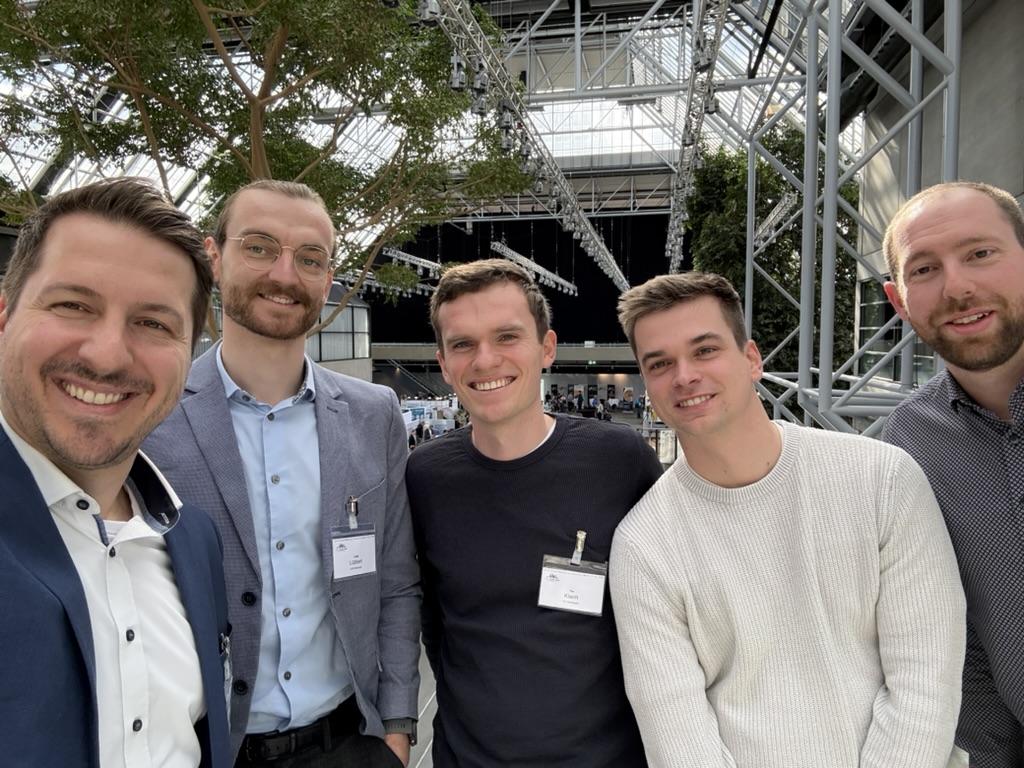
    Trainos is a medtech startup based in Paderborn, Germany, that has developed Trainos PRO, a radiation-free surgical simulator for image-guided procedures. The technology generates realistic X-ray views in real time—without ionizing radiation—and combines them with mixed reality elements and haptic, pathological training models (Trainos Matrices) so that surgeons can practice with standard instruments as they would in the operating room. This addresses a key bottleneck in surgical training, where traditional C-arm training is limited by regulations, radiation exposure, and the scarcity of cadaver material. At the same time, it creates safe, repeatable, and data-rich imaging setups that are also relevant for the development and validation of AI workflows in medical imaging. The combination of radiation-free rendering, scalable anatomical models, and turnkey lab setup makes Trainos the training infrastructure for clinics and medtech partners—a key to faster learning curves and better outcomes.

  • TERNAfil

    Team

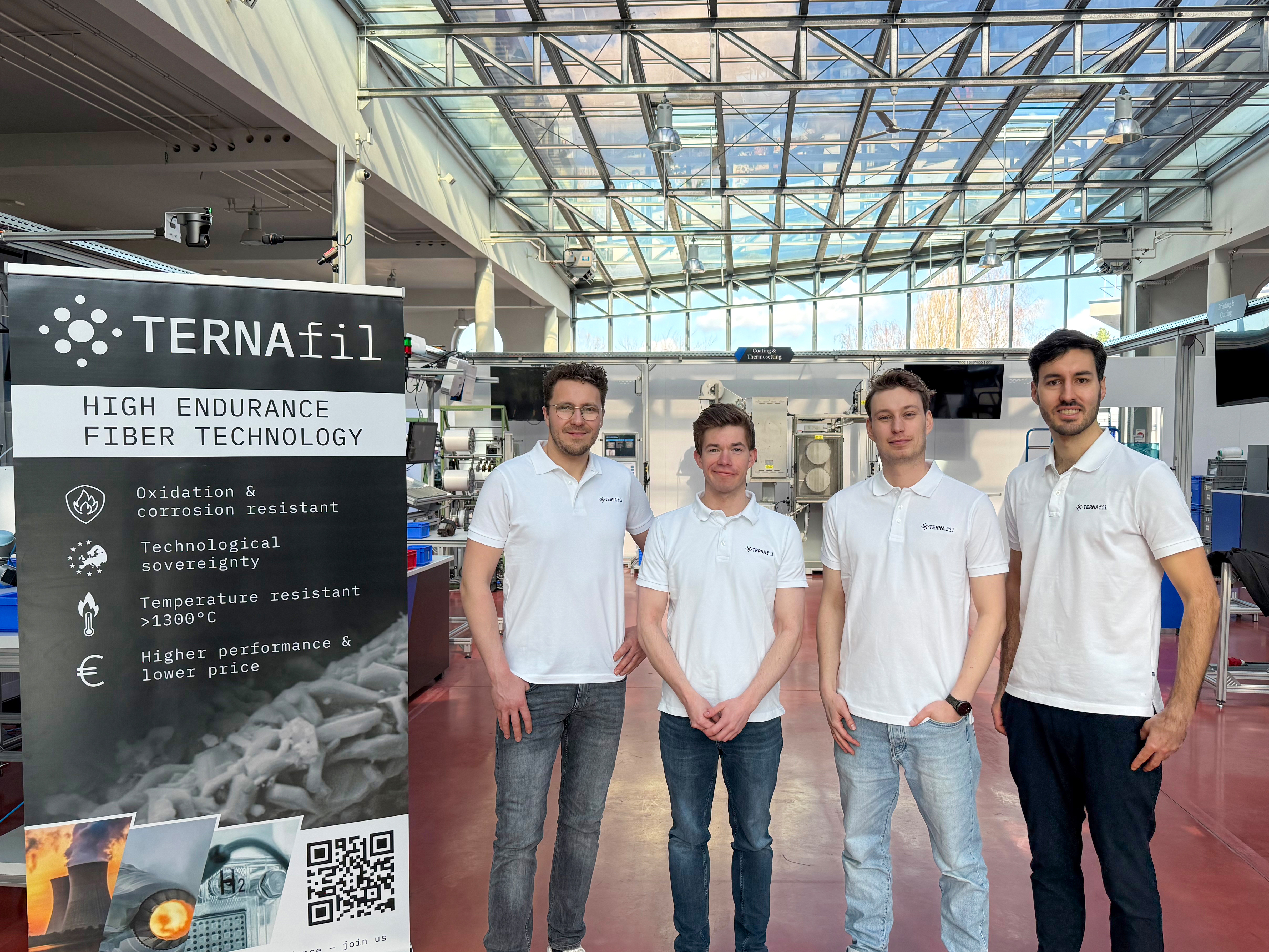
    TERNAfil is a planned spin-off from RWTH Aachen University, initiated by an interdisciplinary team with roots in the Institute of Textile Technology (ITA) and the Institute of Mineral Processing (GHI), and develops highly resistant fiber materials for extreme operating conditions. The metal-ceramic hybrid fiber MAXCarbon combines the robustness of ceramic materials with the mechanical performance of carbon fibers, combining electrical conductivity with high temperature and corrosion resistance. This means that applications remain functional even where conventional technical fibers lose stability above approx. 400 °C – up to high temperature ranges above 1000 °C and aggressive environments. This opens up new fields of application in energy, aerospace, and communications technologies, for example as membranes or electrodes, as hot gas components, or as radiation-resistant antennas. The combination of scalable fiber technology and the absence of rare earths makes MAXCarbon powerful and resource-efficient. TERNAfil thus offers a material basis for robust functionality in harsh environments – a key to future-proof high-performance infrastructures.

  • Telerion Robotics

    Team

    Telerion Robotics is a robotics team affiliated with the University of Bonn (Project NimbRo) that develops telepresence avatar robots that “transport” people to remote locations via the Internet. The platform connects a mobile avatar unit with a holonomic base, humanoid upper body, and two arms with five-fingered hands to an operator station consisting of a VR headset and exoskeletons with force and haptic feedback, enabling remote manipulation and interaction. At the ANA Avatar XPRIZE finals in Long Beach on November 5, 2022, the team won the Grand Prize of over $5 million; tasks such as making coffee and measuring vital signs were demonstrated. Telerion Robotics thus enables teleoperation when presence is risky, expensive, or impossible – a key for maintenance, assistance, and crisis response.

  • Pulse of Production

    Team

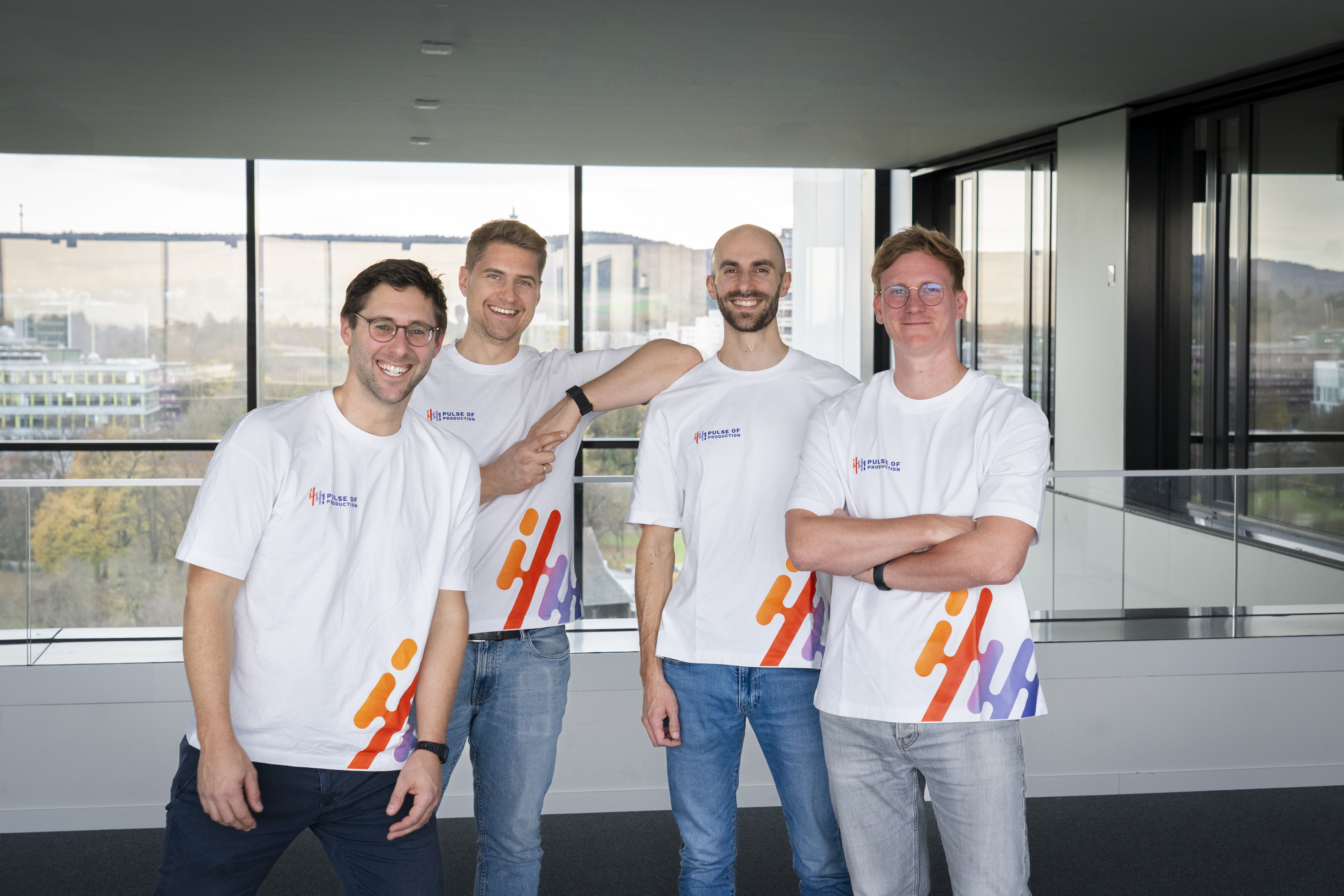
    Pulse of Production is a transfer team affiliated with RWTH Aachen University that is developing the “Pulse Watcher,” a solution for more efficient maintenance of tools in sheet metal forming processes such as punching and fine blanking. The technology combines structure-borne sound measurements with artificial intelligence to monitor tool wear and process stability in real time and determine the optimal maintenance time—where traditional approaches often detect changes too late. Precise signal preprocessing extracts relevant process signatures from the measurement data, making even early changes in condition visible. This reduces unplanned downtime and scrap – a key lever for stable, cost-efficient series production. Pulse of Production thus offers a solution for predictive maintenance in forming technology – a key to more resilient, efficient production.

  • PoLightFilters

    Team

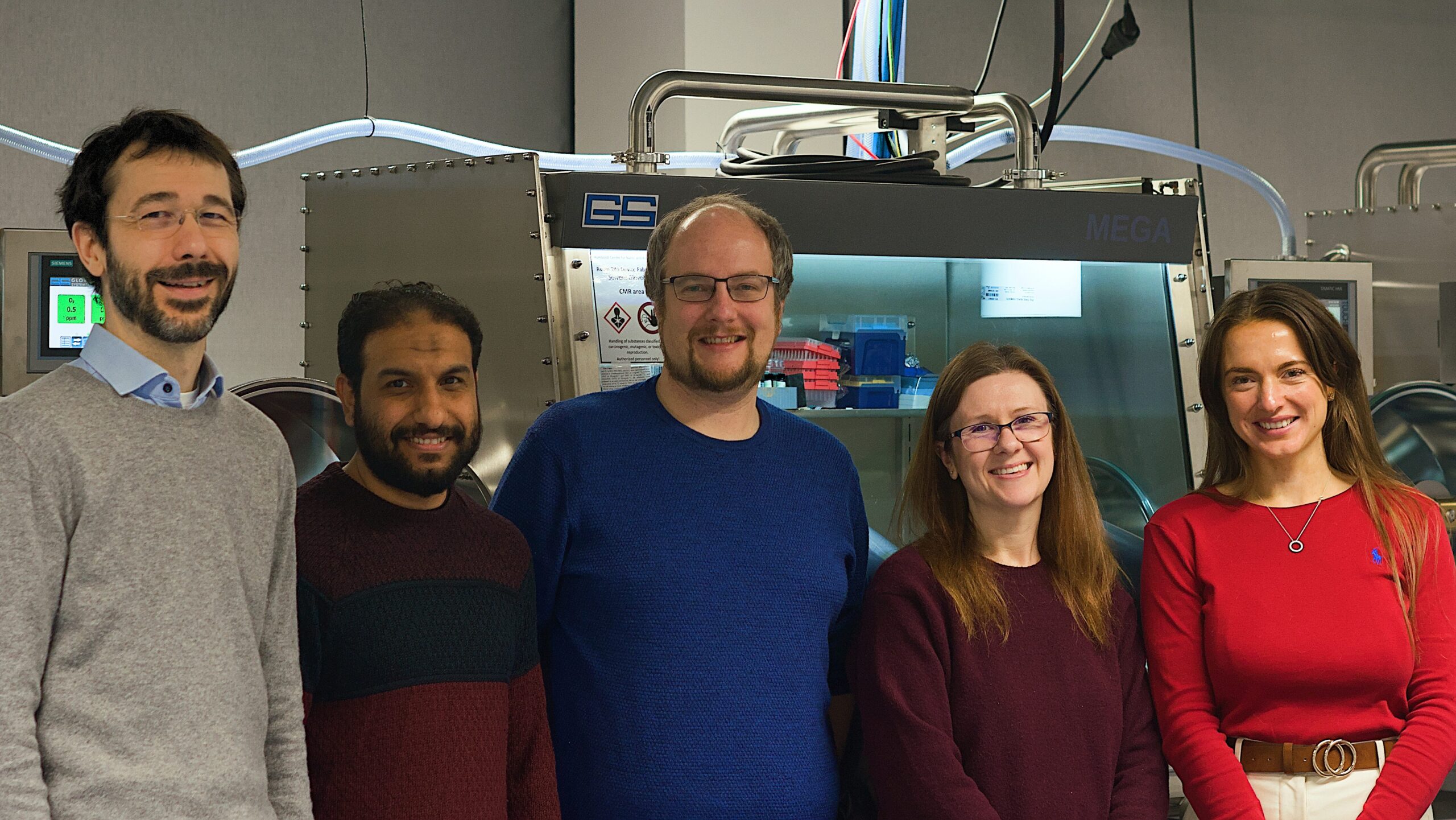
    PoLightFilters is an EXIST research transfer project at the University of Cologne that develops angle-stable thin-film optical filters for precise imaging and sensor systems. Unlike conventional interference filters, whose spectrum “wanders” when light strikes at an angle, thereby limiting image quality and field of view, spectral transmission remains stable over large angles of incidence—made possible by strong light-matter coupling in thin organic layers and resonator structures. This opens up new applications for LiDAR, fluorescence microscopy, and industrial monitoring, where range, accuracy, and reproducible measurements over a wide field of view are crucial. The combination of customized filter design, materials science innovations, and proven manufacturability makes the technology OEM-ready and scalable; pilot projects with initial partners are in preparation. PoLightFilters thus offers a solution for reliable spectral filtering without angular compromises—a key to robust optics in automation, diagnostics, and sensor technology.