Kategorie: Batch #7

  • CerBaTec

    ,

    CerBaTec is a spin-off from Forschungszentrum Jülich and develops sodium-based ceramic solid-state batteries for extreme operating conditions. The technology enables reliable energy storage at temperatures ranging from 85 °C to 300 °C – a range in which conventional batteries fail. This opens up new applications for the IoT in critical infrastructure, such as in energy and industrial facilities, where temperature stability, safety and longevity are crucial. The combination of non-flammable materials, locally available sodium and a robust ceramic design makes the batteries highly safe, sustainable and resource-efficient. CerBaTec thus offers a solution for resilient energy supply in harsh environments – a key to resilient, future-proof infrastructure.

  • CO2Materials

    Founders from Left Martin Vorbach, Adrian Vorbach
    ,

    CO2Materials is developing a technology that enables high-quality sand to be produced from CO₂. This sand is used as a high-quality concrete aggregate in place of quartz sand, which is in limited supply and poses environmental concerns. Due to its high quality, it is suitable for the entire spectrum of concrete applications, from standard concrete to ultra-high-strength concrete. The construction industry’s immense demand for sand – several billion tonnes annually – opens up the potential for CO2Materials to store large quantities of CO₂ economically and permanently. CO2Materials thus makes a significant contribution to carbon capture and utilisation (CCU) whilst offering a high-quality and environmentally friendly substitute for the increasingly scarce resource of quartz sand. This opens up new prospects for climate-friendly construction – particularly where maximum material stability is required alongside an improved carbon footprint. The start-up combines resource conservation, CO₂ storage and high-performance building materials in an integrated approach, thereby paving the way for a construction industry with a reduced environmental footprint.

  • Dr.Q

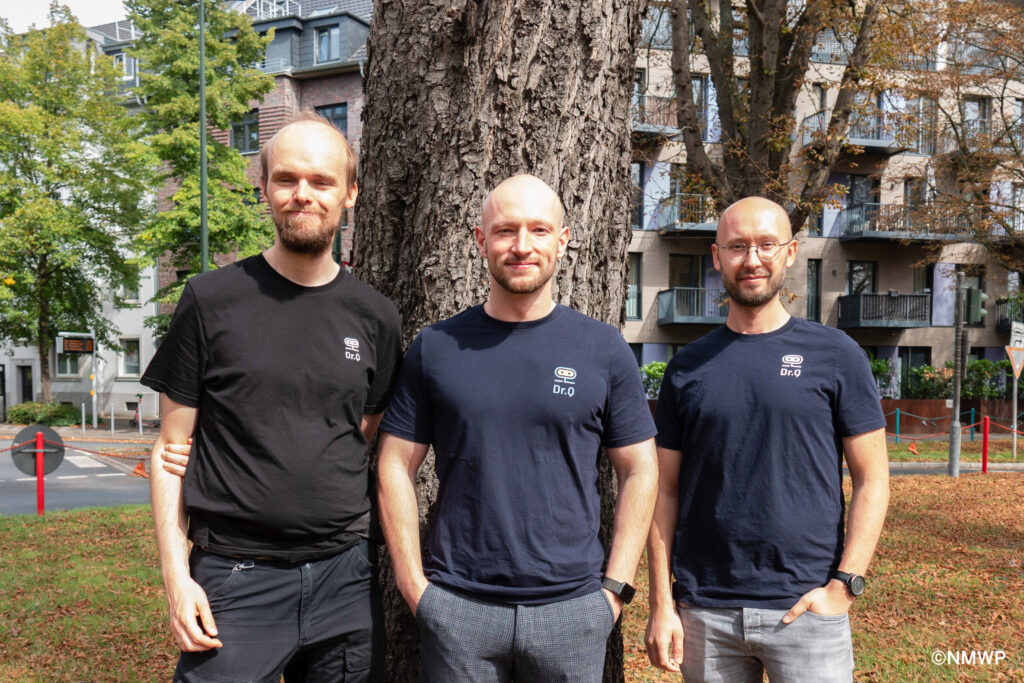
    Founders, from left Dr.-Ing. Henrik Stromberg, Marian Harling, Viktor Martinewski
    ,

    The start-up Dr.Q combines a cloud-based FEM simulation platform with an integrated AI assistant, enabling a fully automated simulation process for the first time – from model initialisation to result analysis. Thanks to AI automation and step-by-step instructions, even users without in-depth prior knowledge can quickly achieve reliable results. This minimises errors and significantly shortens development cycles. Dr.Q adopts a Simulation-as-a-Service approach that combines AI-powered assistance, cloud technology and user-centred design. The result is an intuitive solution that inspires engineering teams, fosters genuine innovation and fundamentally simplifies simulation work.
  • Elarix Labs

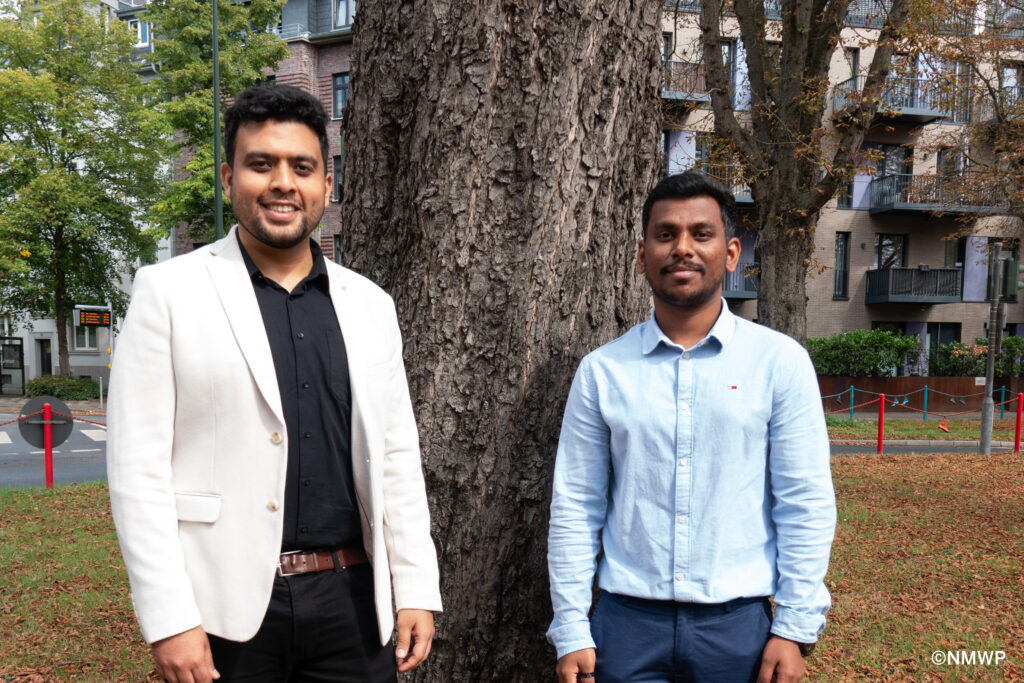
    Founders, from left Prakul Pandit, Sugan Kanagasenthinathan
    ,

    Elarix Labs is a spin-off of the German Aerospace Centre (DLR) and is transforming the materials development process. The no-code platform combines artificial intelligence, multiphysics simulations and curated databases to accelerate the discovery of new materials and improve their quality. Target sectors include chemicals, automotive, aerospace and energy, with a focus on materials for pollutant binding and energy storage. By intelligently linking development and application, Elarix Labs reduces time-consuming trial and error, shortens development cycles and enables uniform access to tailor-made solutions for real-world applications. This makes material innovation faster, smarter and more sustainable – with centralised, digitally supported access to high-performance materials for the industry of tomorrow.

  • Factor2 Energy

    Founders, from left Riekje Heuter, Felix Böhmer
    ,

    The start-up Factor2 Energy uses carbon dioxide as a working fluid in geothermal energy, thereby pioneering a novel concept for base-load, zero-emission energy production. Thanks to the thermodynamic advantages of CO₂, heat can be extracted up to twice as efficiently as with conventional water-based systems, making previously inaccessible sites economically viable. Passive CO₂ storage sites are transformed into active energy sources, whilst system complexity and costs are reduced. The use of proven components enables rapid implementation and scaling. At the same time, permanent CO₂ storage is achieved – for climate-neutral, and potentially even carbon-negative, plants. In this way, Factor2 Energy combines geothermal energy and CCS into a pioneering solution for the decarbonisation of the energy supply.

  • Femi-On

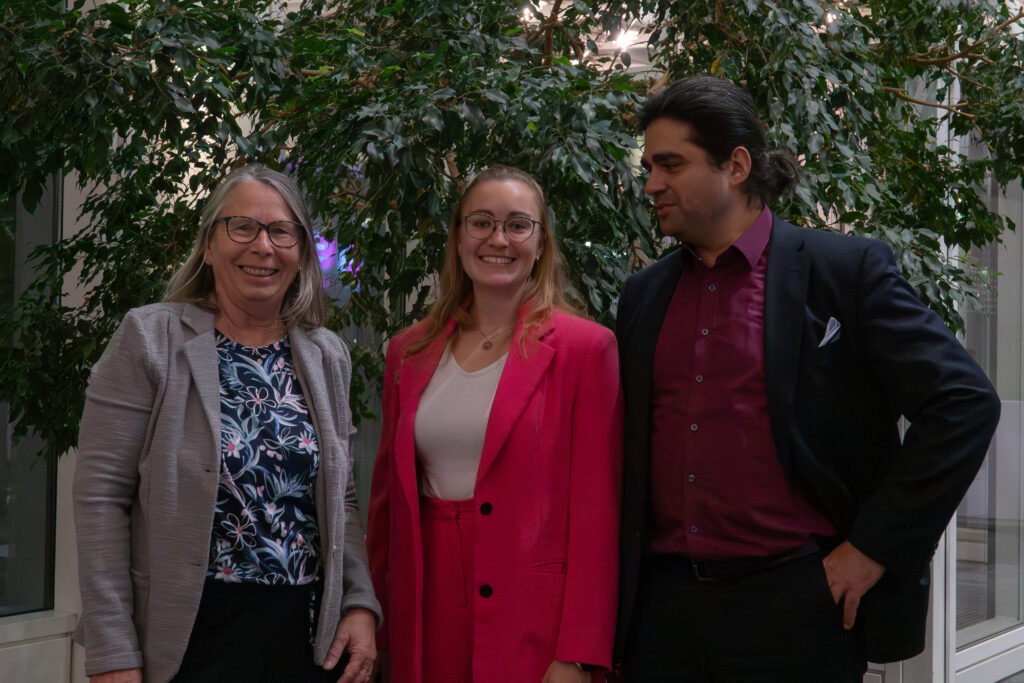
    Team
    ,

    Femi-ON is developing a medically safe and sustainable solution for the relief of period pain using targeted low-frequency vibration that modulates pain transmission. The product range includes Tamp-ON, a tampon-like device for moderate pain one to two days before menstruation, and Ring-ON, a flexible cervical ring for use throughout the entire period. Both solutions are based on clinically tested vibration technology, are controlled via an app, act directly at the source of the pain and offer an exchange and return programme. This creates, for the first time, a side-effect-free alternative to painkillers – safe, personalised and without medication – which noticeably makes everyday life easier for affected women.

    Taking part in the HighTech.NRW programme was a huge benefit for Femi-ON. Over the twelve weeks, we gained valuable insights from a wide range of industries and, as female founders, always felt well looked after and valued. The open dialogue, the support and the strong network have given us lasting strength.
    Building on this positive experience, I intend to get involved as a mentor myself in future – particularly for female founders who can benefit from such an empowering environment.

    Meike Kreutel

  • Omnivore Recycling

    ,

    Using the Omnivore Recycling containers from Aachen-based Hermetia Tech GmbH, food waste from regional sources is, for the first time, automatically converted into valuable protein and fertiliser – a process that is local, environmentally friendly and economically viable. The robust, modular technology requires minimal effort and can be flexibly scaled to handle from one tonne of food waste per day upwards. Larvae of the black soldier fly convert organic waste into high-quality animal feed and nutrient-rich fertiliser, keeping nutrients in the cycle. In this way, Omnivore combines the circular economy with profitability and creates solutions with a global impact. Partnerships with the agricultural and food production sectors give rise to locally effective material cycles. The insect recycling system offers a forward-looking combination of the circular economy, climate protection and resource efficiency.

  • PicoShape

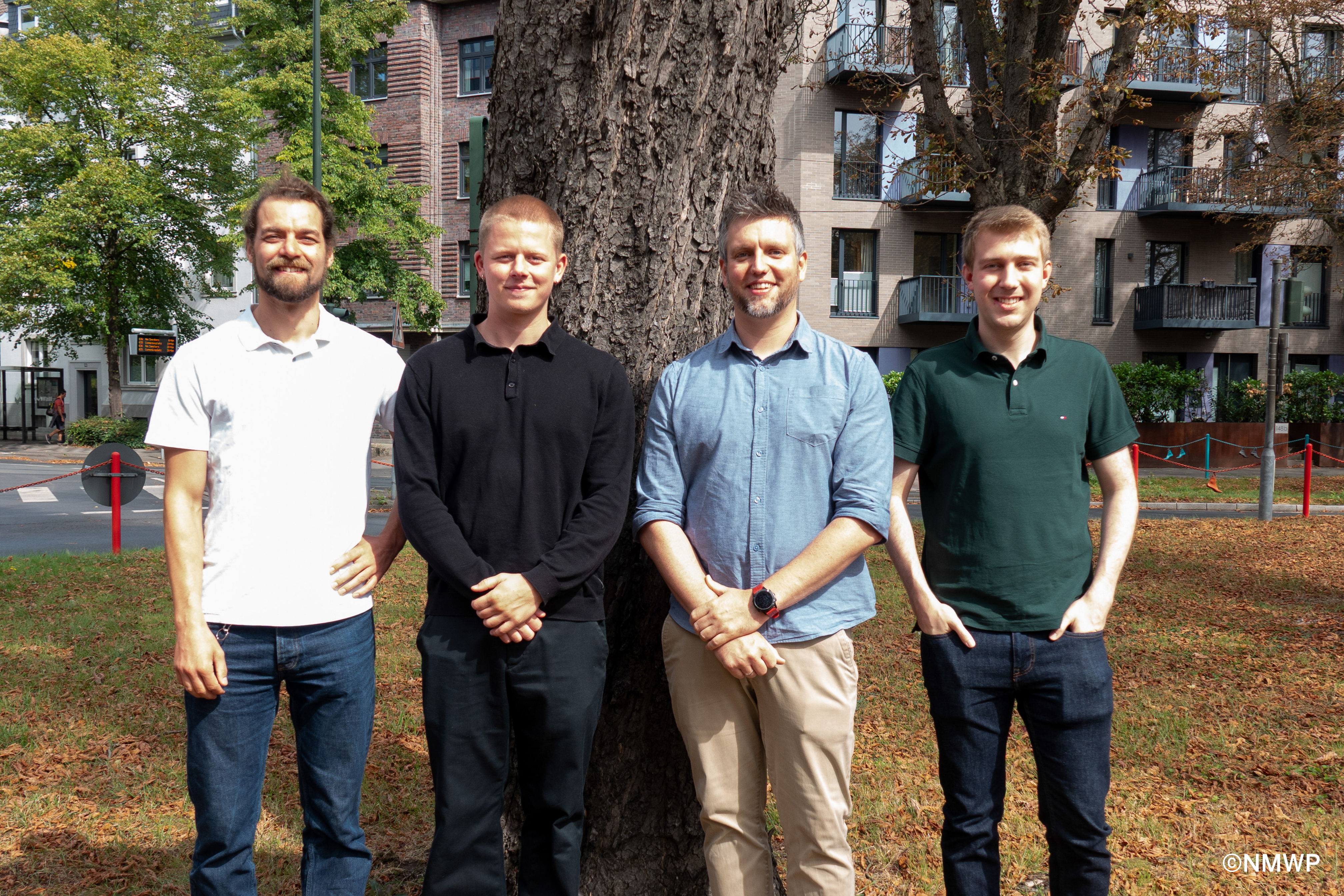
    Founders, from left Benedikt Hofmeister, Jasper Helle, Nils Surkamp, Felix Behlau
    ,

    PicoShape is developing a high-precision 3D printing system based on two-photon polymerisation (2PP) for the production of complex microstructures. This enables the production of microstructures with details smaller than 200 nm – approximately 250 times smaller than the diameter of a human hair. This potential makes 2PP a key technology for numerous high-tech applications of the future, such as microfluidics, micro-optics, quantum technology and medical technology. Unlike conventional 2PP systems, our system is based on innovative diode lasers developed in-house. These are around 150 times more compact and up to 10 times cheaper than standard laser types on the market. This allows several laser units to be integrated in parallel within a single device – something that was previously not technically possible. The result: up to ten times higher throughput at the same cost.

  • Puraite

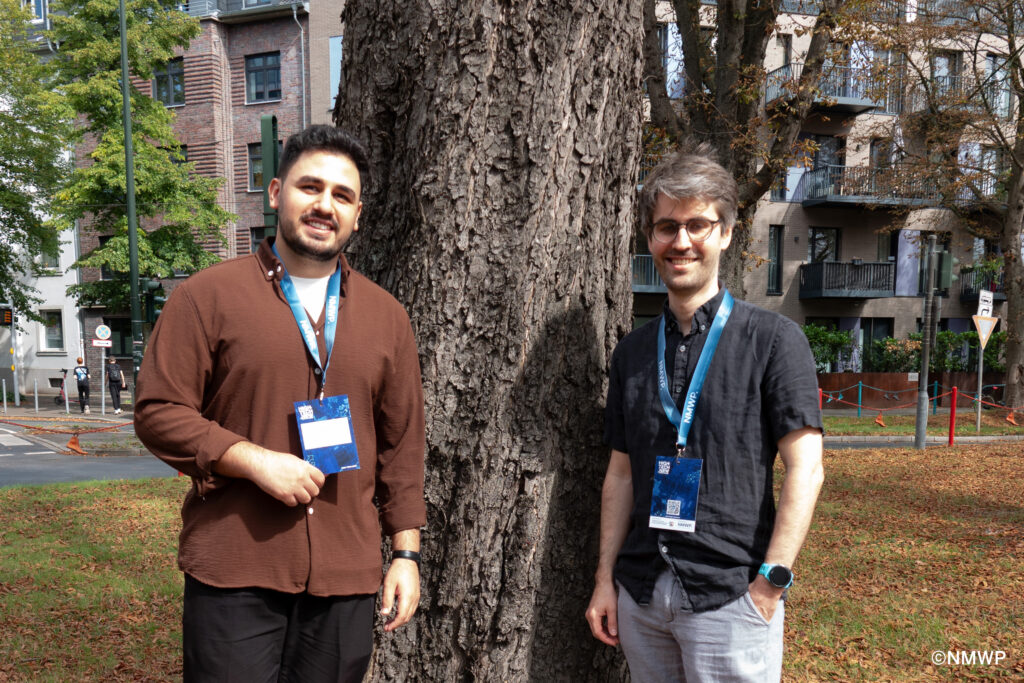
    Founders, from left Schahin Baki, Dr. Karlson Pfannschmidt
    ,

    Puraite is transforming the process of systematic reviews (SLRs) and meta-analyses in medical research through AI-powered screening and automated data extraction. The platform combines semantic search, relevance filters and explainable AI models (XAI) that ensure full traceability – particularly for regulatory-sensitive applications. This significantly accelerates the selection, evaluation and extraction of medical studies to answer research questions, thereby substantially reducing time and costs. Pharmaceutical companies, CROs and healthcare policymakers benefit from an AI platform that integrates human-in-the-loop workflows and combines scientific rigour with high efficiency. This evidence synthesis creates, for the first time, a scalable infrastructure that fundamentally modernises evidence generation for drug development, HTA and real-world analyses.

  • ZELOCON GmbH

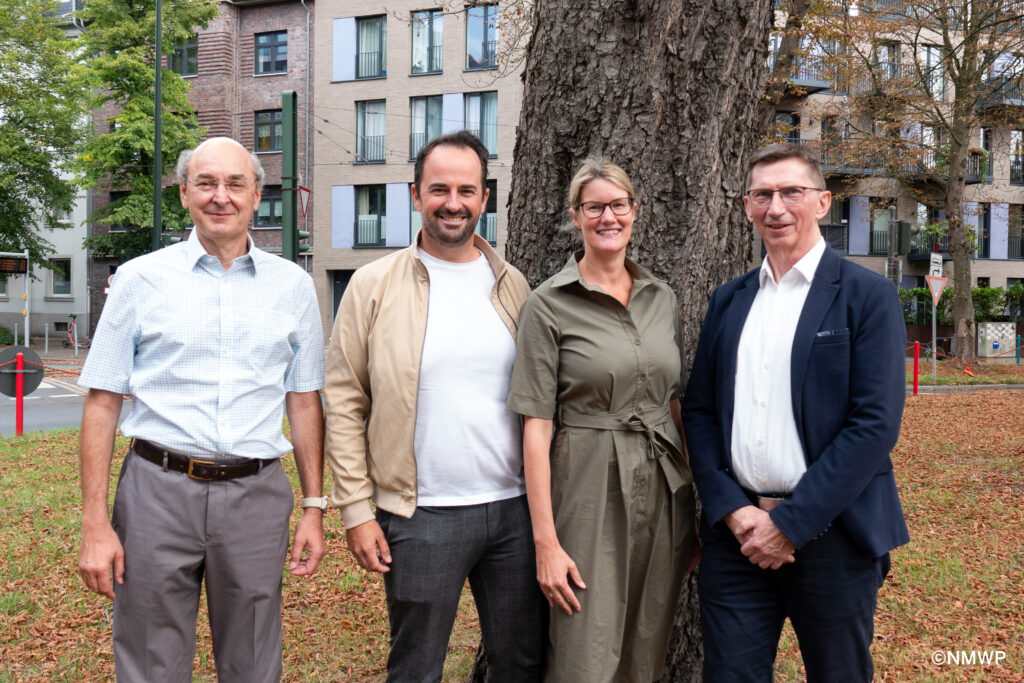
    Founders, from left Prof. Dr. Pablo Esquinazi, Michael Hahn, Laura Turck-Hahn, Arthur Rönisch
    ,

    ZELOCON is developing a novel technology that makes room-temperature superconductivity feasible for the first time. It is based on a newly arranged graphite crystal structure with two-dimensional superconducting interfaces. This enables the creation of highly sensitive sensors and high-performance electronic components – without the use of rare earths, but based on biocompatible graphite. This innovation enables precise real-time magnetic field measurements and, as a platform technology, opens up many new fields of application. The patented method sets new standards by making superconductivity usable without complex cooling systems – a decisive step towards energy-efficient and sustainable electronics. ZELOCON aims to radically increase the performance of modern systems, reduce environmental impact and tap into new economic potential.