Kategorie: eng

  • HAIRSENSE

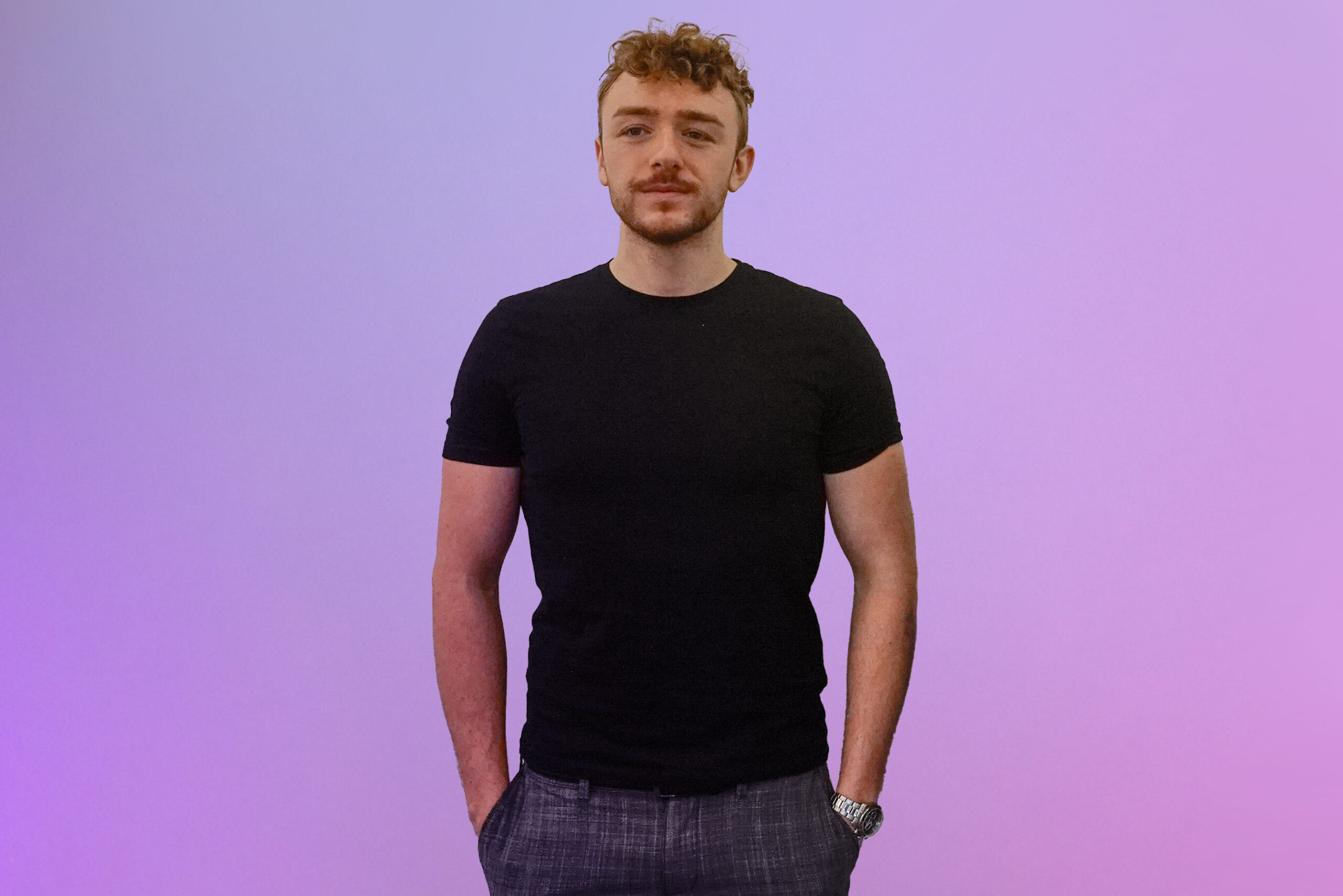
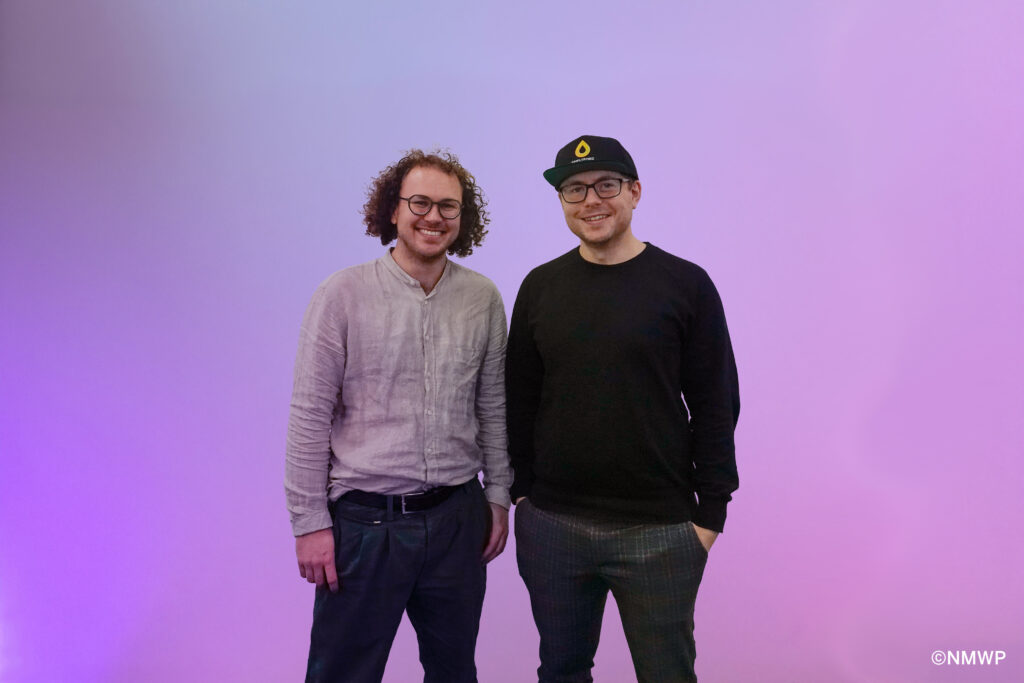
    Founders from left Till Hülsmann, Mike Vogt
    ,

    To date, there are no reliable methods for verifying the authenticity of luxury animal-hair textiles. Counterfeits and inferior admixtures are rife, leading to a decline in quality and a loss of trust. The Aachen-based start-up HAIRSENSE has therefore developed a testing method to analyse the authenticity and quality of hair and fibres, based on a combination of high-resolution scanning electron microscopy (SEM) and artificial intelligence. The start-up offers its own quality analyses as a service. Furthermore, it is seeking partnerships with international facility operators who can carry out hair analyses in their regional areas on the basis of software licences. In addition to animal hair analyses, textile and human hair analyses will also be offered in future, for example for the cosmetics industry. The first pilot customers for this are already in place.

    High-Tech.NRW was exactly the right kind of support for us at exactly the right time. The in-depth discussions with industry experts from a strong group of mentors, the honest feedback on IP, investors and focus – and a network that really delivers. Particularly valuable: the interaction with other start-ups, where not only experiences are shared but concrete support is also provided – for example, with questions about funding or setting up a business. An accelerator that not only helps you move forward but is also genuinely enjoyable – highly recommended for high-tech start-ups in the region.

    Till Hülsmann

  • HussarX

    Founder Sergius Grudzinski
    ,

    The Düsseldorf-based start-up HussarX has developed a unique deterrence technology that offers both proactive threat detection and threat deterrence. The technology enables armed threats to be identified in real time, including friend-or-foe recognition, and actively deterred day and night using powerful blinding lights. HussarX’s technology combines computer vision, edge computing and specialised hardware for a precise and immediate response. The initial target markets are the protection of security forces and critical infrastructure, with security solutions for businesses and private individuals to follow.

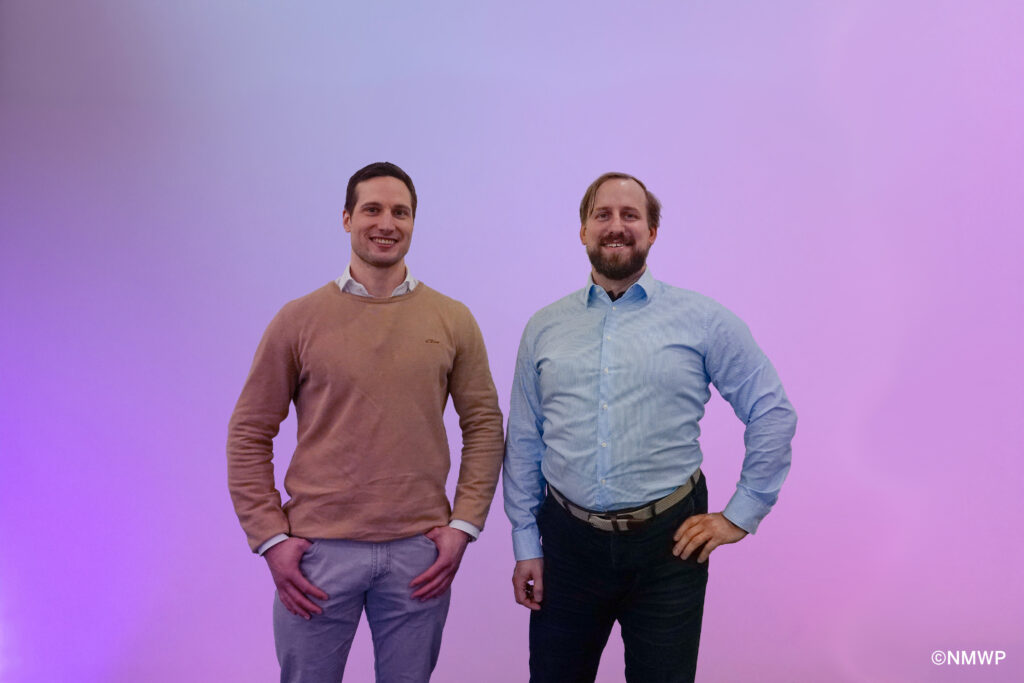
  • Rewafe

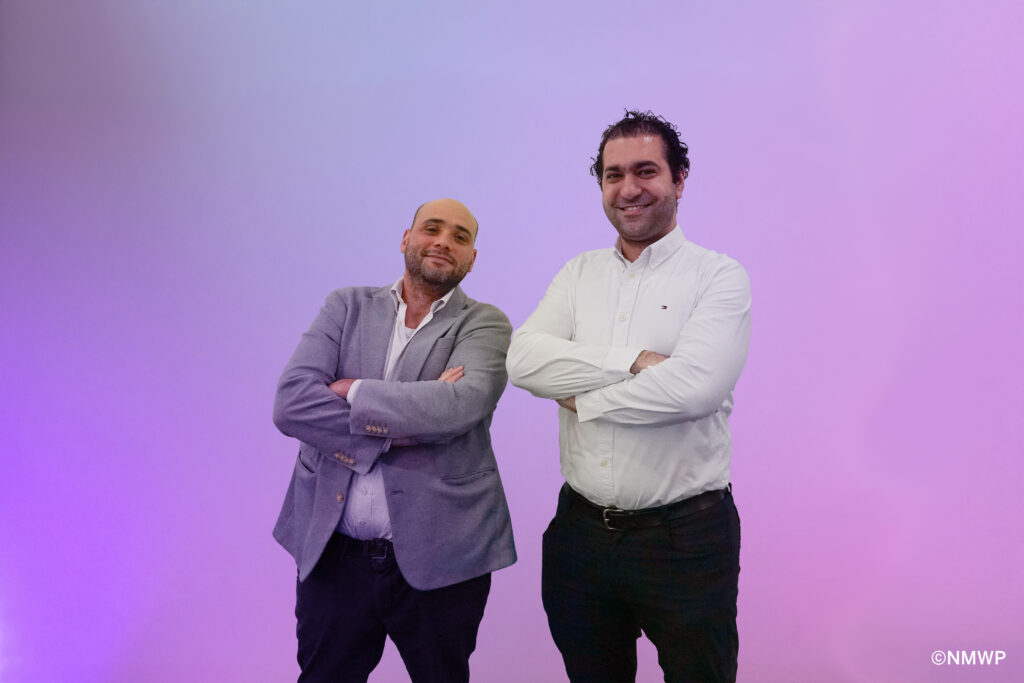
    Founders from left Hugo Lucas, Dr.-Ing. Mohammad Chehadé
    ,

    rewafe has developed an innovative process for the recycling and purification of silicon which consumes significantly less energy and has a lower carbon footprint compared to current state-of-the-art methods. At the heart of the process is a fully integrated procedure comprising the pre-treatment of scrap, a series of ultra-purification steps and crystal growth. The technology can fully recycle silicon waste or materials containing metallurgical silicon. Laboratory-scale trials have shown that, compared to the state of the art, the rewafe process consumes only a fraction of the energy required, whilst achieving a yield of over 95%. rewafe intends to focus initially (for 5 years) on the production of high-quality, fully recycled polysilicon for solar cell manufacturing, and subsequently address the supply of high-purity polysilicon for the semiconductor industry.

    The programme highlighted many aspects for us – both positive and negative. It opened up new perspectives for us, and above all, its extensive network of experts was extremely impressive. We requested meetings with eight different experts, and just a few days later we had already arranged appointments with them. These discussions are currently leading us to pivot our business model, which is proving to be very positive.

    Mohammad Chehadé

  • schnaiTEC

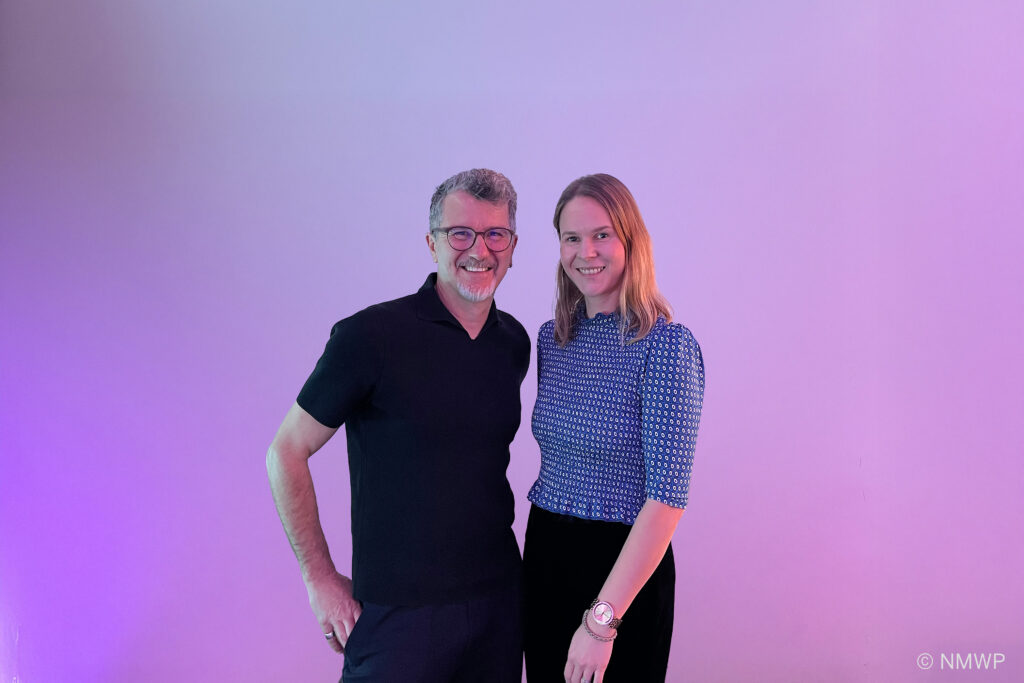
    Founders from left Dr. Martin Schnaiter, Prof. Dr. Emma Järvinen
    ,

    Air pollution from combustion causes 7 million premature deaths annually and emits black carbon, a major driver of global warming. Current methods of monitoring black carbon are expensive, inaccurate and largely inaccessible to developing countries, which hinders progress in monitoring potential health risks and implementing measures to decarbonise society. Wuppertal-based schnaiTEC GmbH is developing an affordable, real-time, accurate and non-invasive optical measuring device for the precise and specific monitoring of black carbon particles from combustion processes. Target markets include environmental monitoring stations worldwide.

    The NRW High-Tech Accelerator Programme has prompted us to actively re-evaluate and realign our business strategy. Today, we are pursuing our mission with far greater clarity, focus and confidence. As a ‘mature’ start-up, the intensive support we received over twelve weeks has opened up many new perspectives for us. A heartfelt thank you to the whole team and the experts for their valuable insights and strong support.

    Martin Schnaiter

  • Wellenpuls

    Founder Christian Senfleben
    ,

    The Solingen-based start-up Wellenpuls GmbH has developed a high-frequency neuromuscular electrical stimulation belt designed to specifically target the deep muscles of the core, which are significantly weakened in people with chronic non-specific pain in the lumbar spine. The product is about to be launched and will next be supplemented by a digital app for device control and training analysis. Wellenpuls aims to establish itself as a leading provider of musculoskeletal health solutions over the next five years. The product is also suitable for integration into workplace health management schemes and can therefore help companies reduce absenteeism.

    The HIGH-TECH.NRW Accelerator programme was a real asset for Wellenpuls. The targeted networking with outstanding mentors provided valuable insights and opened strategic doors. The intensive exchange with the other start-ups in the cohort was also particularly enriching. The programme management was excellent – structured, competent and always there to support us.

    Christian Senfleben

  • Willowprint

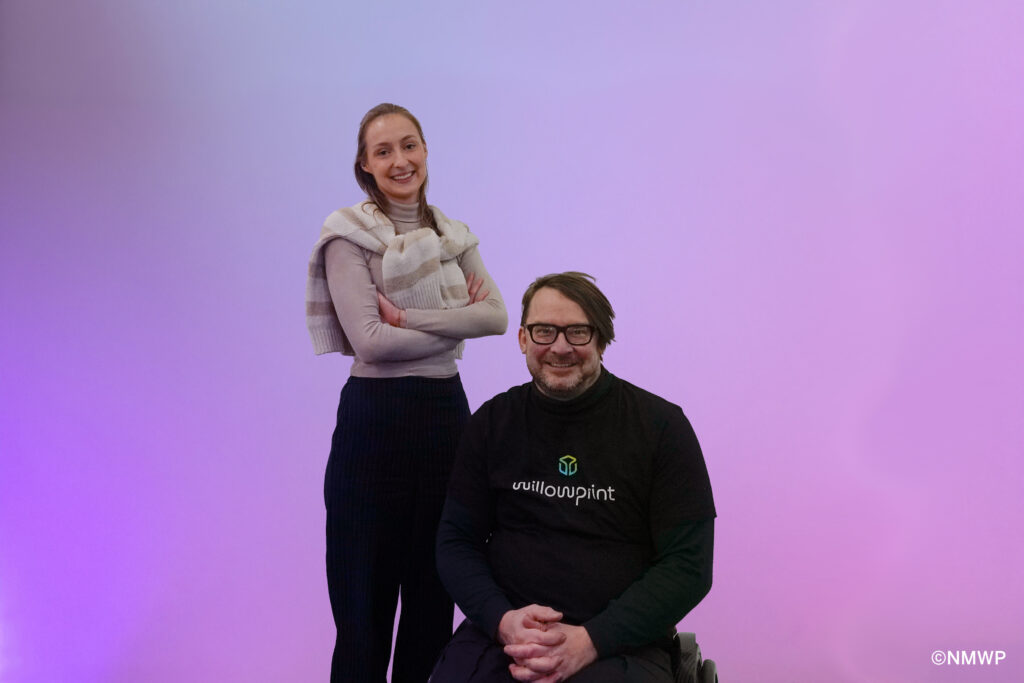
    Founders from left Emilia Grüne, Dr.-Ing. Joost Meyer
    ,

    The Aachen-based start-up Willowprint has developed a sustainable, biodegradable wood-based printing material for additive manufacturing, which enables the production of eco-friendly products that can be recycled or composted at the end of their life cycle. Target markets include sustainable architecture (e.g. tiny houses) and the construction industry, as well as, in particular, sustainable designer furniture and modular living solutions. With its 3D wood paste, Willowprint is making an active contribution to waste prevention and the promotion of a circular economy. The innovative material enables the upcycling of waste materials, reintegrating them into the production cycle and thus minimising resource consumption.

    The High-Tech Accelerator NRW was an absolute milestone in the development of our start-up. The programme came at exactly the right time – during a phase when strategic decisions and sound expert input were crucial for our continued growth.

    The combination of personalised support, in-depth specialist expertise and practical workshops not only helped us make enormous technical progress, but also gave us the courage to take the next step with clarity and self-confidence. In particular, access to a strong network of mentors, investors and other start-ups was invaluable to us.

    We are very grateful for the intensive support and valuable exchange – the accelerator not only helped us concretely with implementation, but also sharpened our vision and strengthened our position in the market.

    A heartfelt thank you to the whole team!

    Willowprint-Team

  • Simplyfined

    Co-founders f. l. Max Krause, Jens Ehlhardt
    ,

    Many products in the chemical industry are made on the basis of fossil raw materials such as crude oil and natural gas, but their use is harmful to the climate and also irreversibly consumes finite resources. The spin-off Simplyfined from TU Dortmund University has now developed a catalytic process for the first time that can be used to achieve selective partial hydrogenation of polyunsaturated fatty acids from vegetable oils to monounsaturated. This means that vegetable oils from e.g. rapeseed, soy or sunflower can be used as sustainable basic chemicals for a variety of downstream applications in the chemical industry, e.g. plastics, lubricants, cosmetics or pharmaceuticals.

    Taking part in the HighTech.NRW programme was a real boon for Simplyfined. Over the course of the twelve weeks, we not only benefited from the vast range of volunteer mentors with impressive expertise, but also gained access to a strong industry network. The interaction with the other participating teams was particularly inspiring – an environment that truly fosters innovation.

    Max Krause

  • CerBaTec

    ,

    CerBaTec is a spin-off from Forschungszentrum Jülich and develops sodium-based ceramic solid-state batteries for extreme operating conditions. The technology enables reliable energy storage at temperatures ranging from 85 °C to 300 °C – a range in which conventional batteries fail. This opens up new applications for the IoT in critical infrastructure, such as in energy and industrial facilities, where temperature stability, safety and longevity are crucial. The combination of non-flammable materials, locally available sodium and a robust ceramic design makes the batteries highly safe, sustainable and resource-efficient. CerBaTec thus offers a solution for resilient energy supply in harsh environments – a key to resilient, future-proof infrastructure.

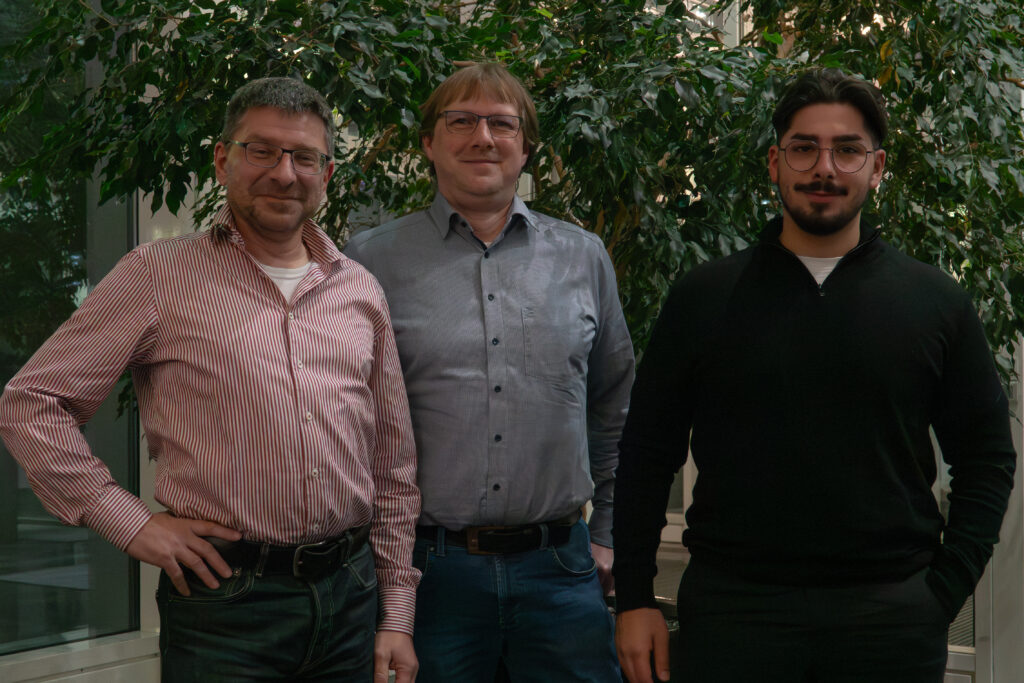
  • CO2Materials

    Founders from Left Martin Vorbach, Adrian Vorbach
    ,

    CO2Materials is developing a technology that enables high-quality sand to be produced from CO₂. This sand is used as a high-quality concrete aggregate in place of quartz sand, which is in limited supply and poses environmental concerns. Due to its high quality, it is suitable for the entire spectrum of concrete applications, from standard concrete to ultra-high-strength concrete. The construction industry’s immense demand for sand – several billion tonnes annually – opens up the potential for CO2Materials to store large quantities of CO₂ economically and permanently. CO2Materials thus makes a significant contribution to carbon capture and utilisation (CCU) whilst offering a high-quality and environmentally friendly substitute for the increasingly scarce resource of quartz sand. This opens up new prospects for climate-friendly construction – particularly where maximum material stability is required alongside an improved carbon footprint. The start-up combines resource conservation, CO₂ storage and high-performance building materials in an integrated approach, thereby paving the way for a construction industry with a reduced environmental footprint.

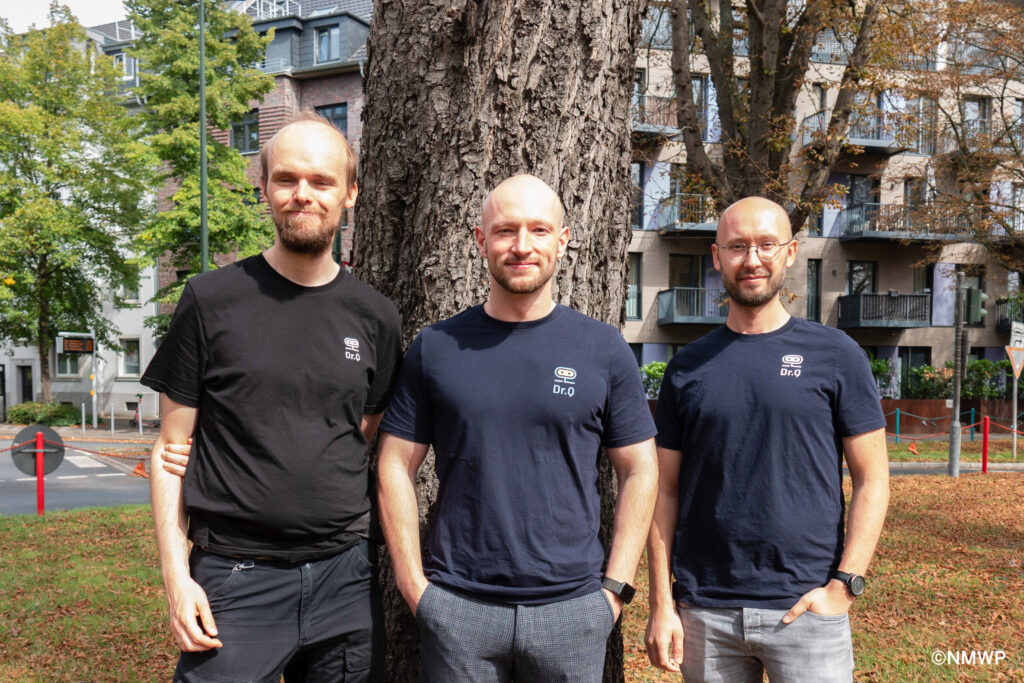
  • Dr.Q

    Founders, from left Dr.-Ing. Henrik Stromberg, Marian Harling, Viktor Martinewski
    ,

    The start-up Dr.Q combines a cloud-based FEM simulation platform with an integrated AI assistant, enabling a fully automated simulation process for the first time – from model initialisation to result analysis. Thanks to AI automation and step-by-step instructions, even users without in-depth prior knowledge can quickly achieve reliable results. This minimises errors and significantly shortens development cycles. Dr.Q adopts a Simulation-as-a-Service approach that combines AI-powered assistance, cloud technology and user-centred design. The result is an intuitive solution that inspires engineering teams, fosters genuine innovation and fundamentally simplifies simulation work.