Kategorie: eng

  • KINEMO

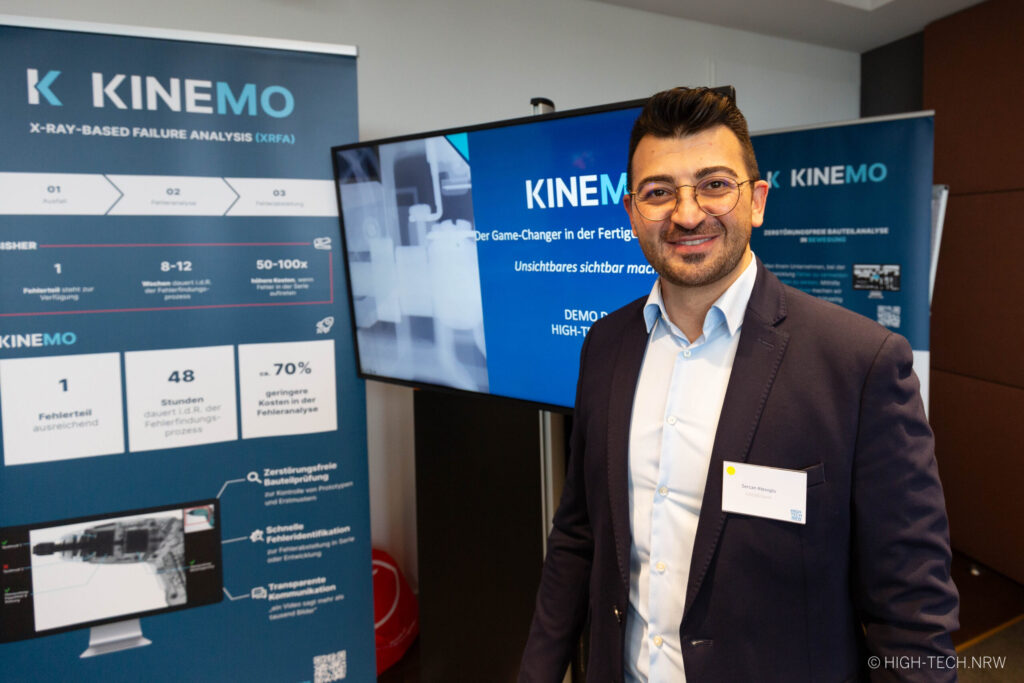
    Founder Sercan Atesoglu
    ,

    KINEMO stands for Kinematics & Motion and provides services in the field of X-ray-based component analysis within the troubleshooting process. Based on video X-ray analysis, internal movements of physical products can be visualized non-destructively. This makes it possible to transparently display and analyze hidden product information—such as functional failures or acoustic issues—during prototype development or series production. Troubleshooting, which can conventionally take up to 12 weeks or longer, is reduced to just 48 hours using KINEMO’s method. This results in significant savings in labor and quality-related costs.

  • ningaloo biosystems GmbH

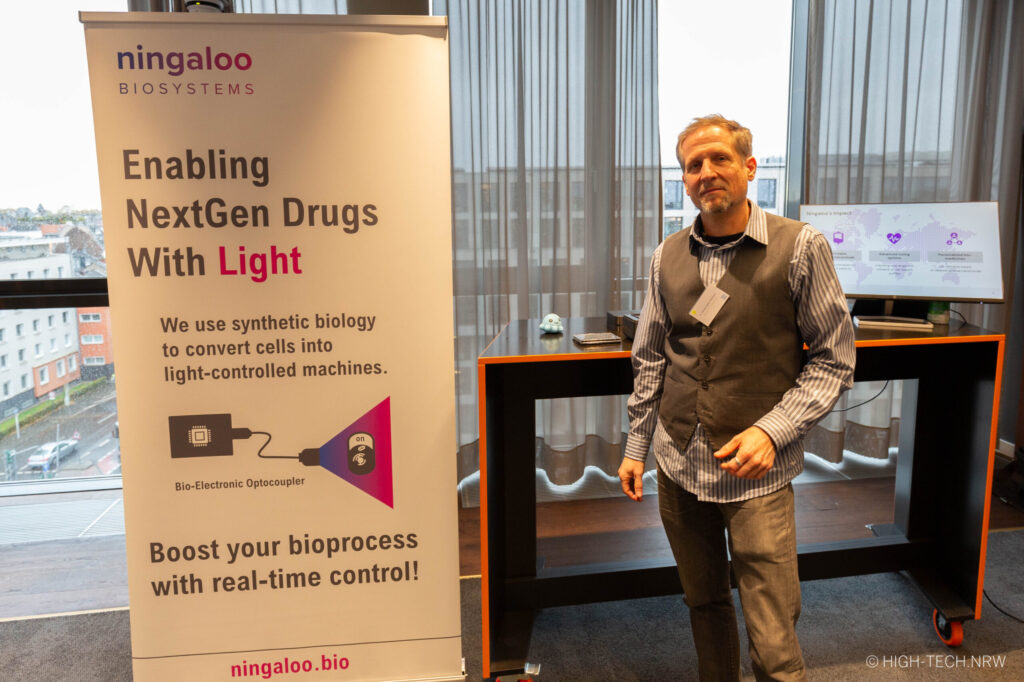
    Founder Dr. Herbert Müller-Hartmann
    ,

    Many newly developed drugs for cancer and autoimmune diseases are extremely expensive to produce. This is mainly due to the fact that the processes—especially in the bioreactors where these active ingredients are manufactured—are still highly inefficient. The biotech startup ningaloo biosystems is developing products that enable biopharmaceutical manufacturers to produce more efficiently and in a more standardized way, and to reduce their currently largely prohibitive costs through higher yields. ningaloo biosystems’ platform technology for “opto-bioproduction” is based on insights from optogenetics and, for the first time, makes it possible to control processes in the bioreactor in real time using light. This helps conserve resources and ultimately makes novel biopharmaceuticals affordable for millions of patients.

    Der HIGH-TECH.NRW Accelerator bietet umfassenden Support und Input in den vielen Herausforderung des Deep-Tech Startup-Lebens. Uns haben das Team und der umfassende Austausch mit den anderen Startups besonders bei der Schärfung unserer branchenübergreifenden Außen-Kommunikation geholfen.

    Dr. Herbert Müller-Hartmann

  • Plasma Additive

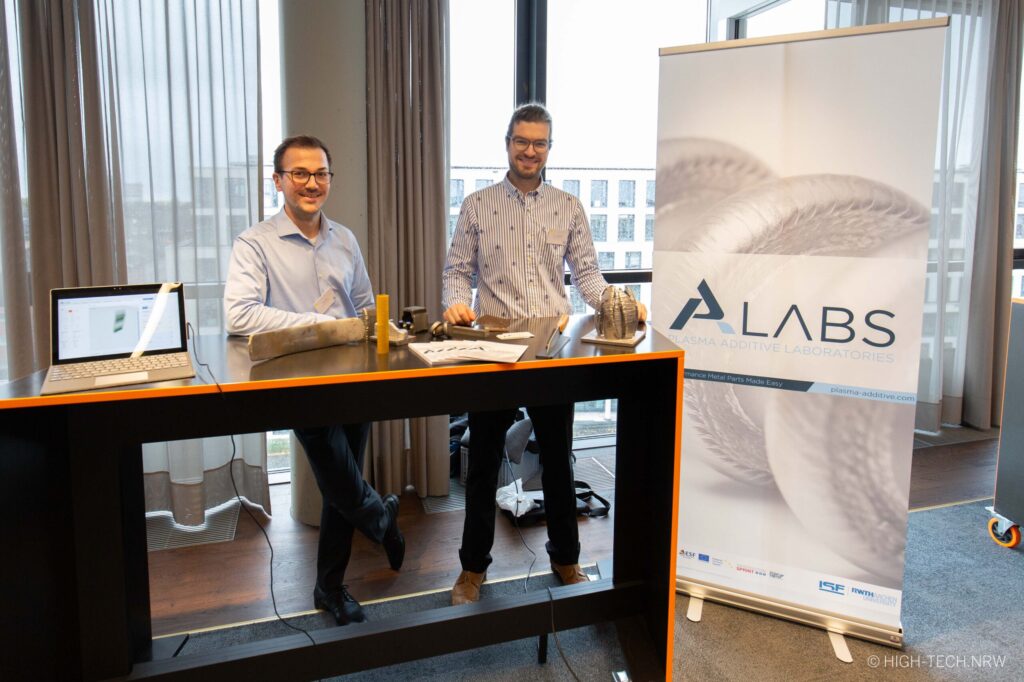
    v.l.: Lukas Oster und Dr.-Ing. Jens Lotte
    ,

    The use of highly productive additive manufacturing processes—particularly the ARC-DED process (arc-based directed energy deposition)—is hindered by the complexity of the process and the required digital process chain. Current automation approaches and software packages struggle to handle this method effectively. The team at Plasma Additive has developed a novel automation and operation approach that results in a highly productive system with easy usability. The operating concept can be simplified into specific product groups, which are directly embedded into the machine control system, thereby maximizing productivity, process reliability, and ease of use. Plasma Additive’s target industries include metal processing, heavy industry, aerospace, agriculture (circular economy for wear parts), and automotive engineering (high-tech multi-material applications).

    Wir schätzen HIGH-TECH.NRW sehr, da es eine herausragende Plattform für innovative Technologien und Forschung in Nordrhein-Westfalen bietet. Die vielfältigen Ressourcen und Unterstützungsmöglichkeiten haben uns dabei geholfen, unser Unternehmensprofil zu schärfen und die Projektidee erfolgreich voranzutreiben. Die inspirierende Gemeinschaft und die gezielte Förderung machen HIGH-TECH.NRW zu einer empfehlenswerten Anlaufstelle für alle, die im Bereich modernster Technologien tätig sind.

    Dr.-Ing. Jens Lotte

  • red cable robots

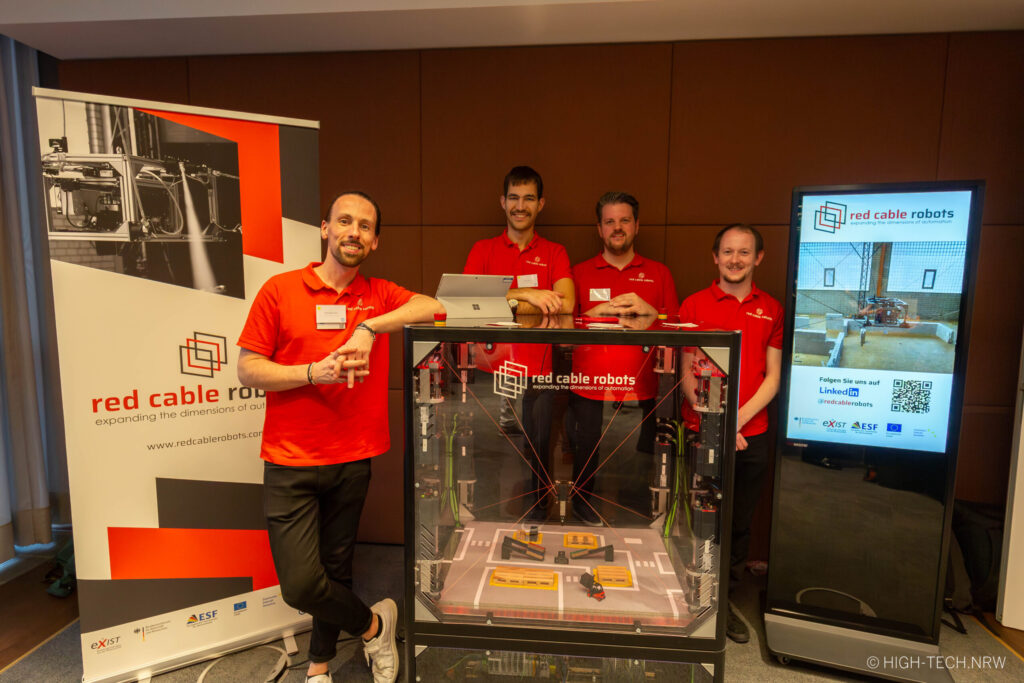
    Founders from left Roland Boumann, Robin Heidel, Tobias Burger und Patrik Lemmen
    ,

    red cable robots develops industrial cable-driven robots for large workspaces and high dynamic performance. Conventional robotic systems are physically limited in their reach and become increasingly expensive and slower as the workspace size grows. As a result, robotic applications in large workspaces, with large workpieces, or with high dynamic requirements are difficult—if not impossible—to implement. Cable-driven robots have only a small moving mass and consist of a platform with an attached robotic tool, which is moved by the coordinated winding and unwinding of connected cables. In this way, the cable robots from red cable robots can efficiently and cost-effectively operate in large workspaces while maintaining high dynamics. Target markets for these cable robots include the construction industry, logistics, and aerospace.

    HIGH-TECH.NRW ist eine Instanz an der man in Punkto Deep-Tech Start-Ups nicht vorbeikommt! 12 Wochen geballtes Wissen, erstklassiges Coaching, großartiges Netzwerk und einzigartige Mentor:innen aus der Wirtschaft. Eine glatte 10/10 für mich.

    Roland Boumann

  • Sionic Smart Glass

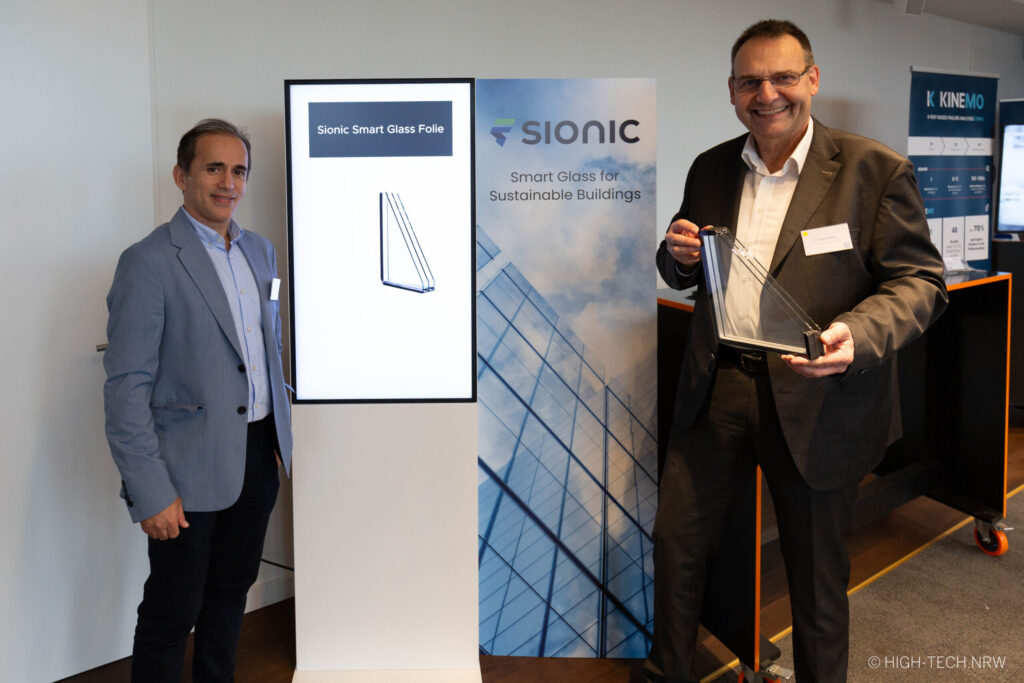
    rechts: Gründer Dr. Oliver Humbach
    ,

    Intelligent glass enables the switching of the transmission properties of windows and glass surfaces. Sionic Smart Glass develops, manufactures, and markets innovative, visionary window concepts based on micro-optical, electrochromic films.

    In electrochromic glass, high-tech films are integrated that are produced in a cost-efficient roll-to-roll process based on nanotechnology and can be scaled to large surfaces. Smart glass helps reduce the ecological footprint. More than 100 million tons of CO₂ emissions can be saved worldwide each year. At the same time, smart glass technology achieves significant energy savings in buildings.

  • Ubitium

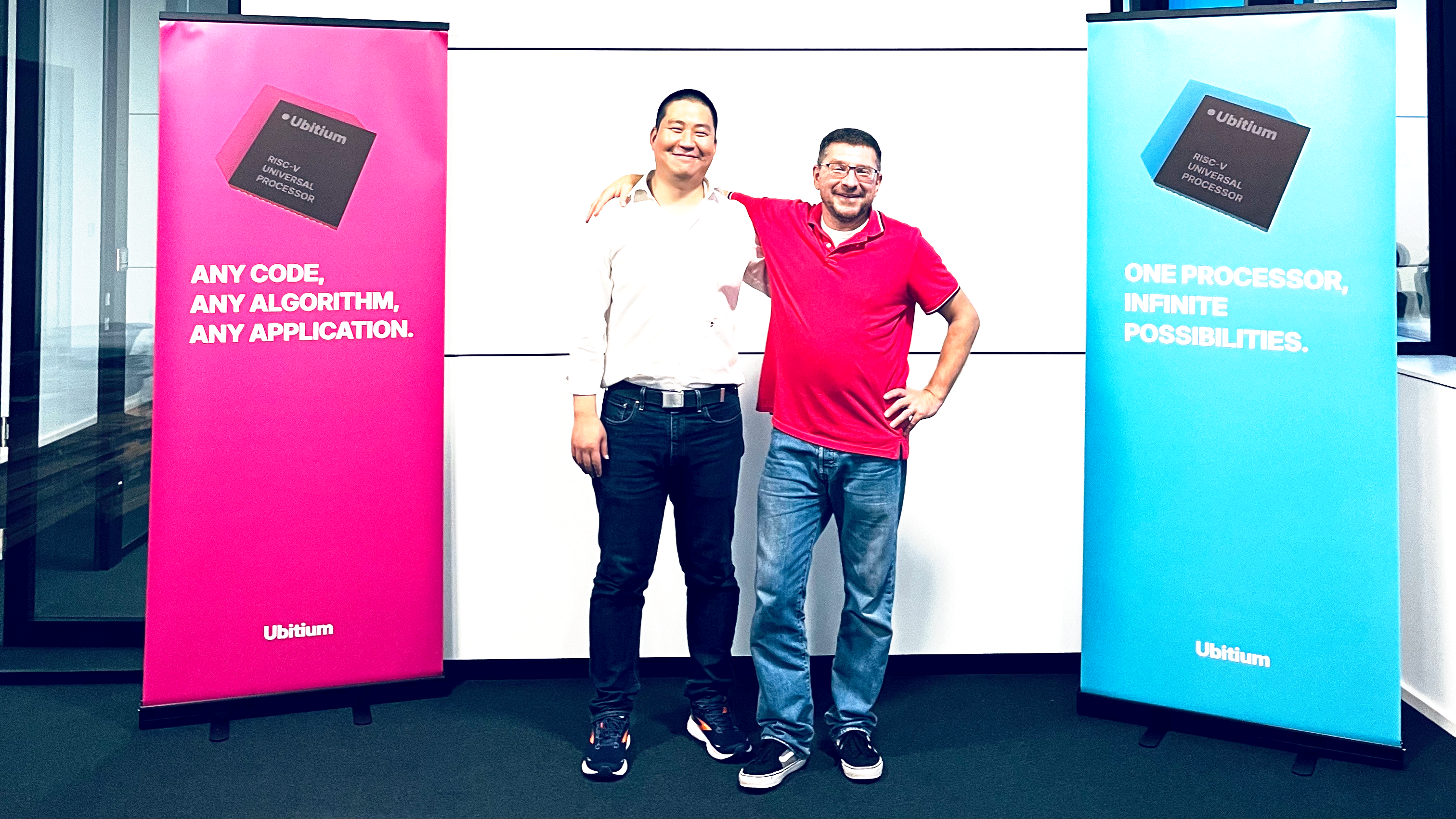
    Gründer Hyun Shin Cho
    ,

    Ubitium is developing the first truly universal processor. Current processors are inefficient, inflexible and costly, particularly when specialised system-on-chip (SoC) solutions are required for complex applications. Ubitium has developed a universal, disruptive processor architecture. By eliminating the need for separate CPU or accelerator cores, area efficiency is dramatically increased. This enables agile, software-defined systems and the ubiquitous integration of AI. Benefits: significantly smaller chip sizes, exponential performance gains and outstanding energy efficiency, with significantly reduced costs through the use of established manufacturing techniques. The technology is hyper-scalable and can support applications ranging from simple household appliances or toys to high-performance computing (HPC). RISC-V compatibility enables almost effortless integration into an existing software ecosystem.

  • HyBird Aerospace

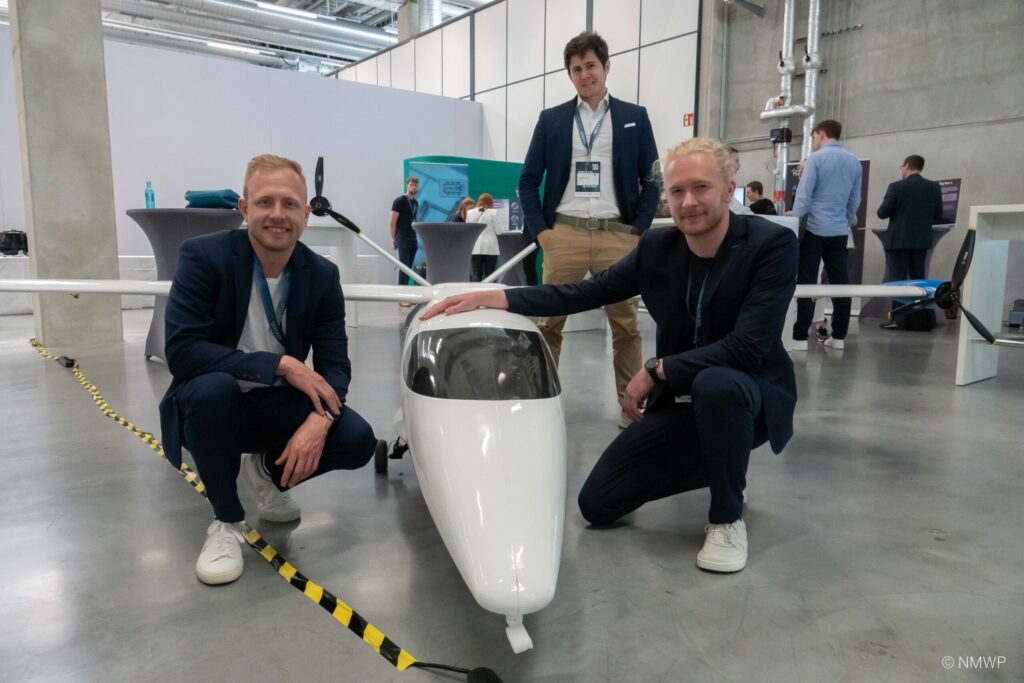
    Founder from left Felix Ladwein, Thiago Costas and Florian Will with their prototype
    ,

    HyBird develops and manufactures semi-autonomous electric cargo aircraft that enable express courier and specialist logistics companies to offer their end customers simple, fast, cost-effective and sustainable transport solutions. End customers can use the aircraft to transport cargo weighing up to 150 kg over distances of up to 2,000 km. These flight capabilities are made possible by the use of a plug-in hybrid system, which allows the aircraft to fly up to 300 km purely on electric power and thus with high efficiency. At the same time, a generator can be switched on, which increases the range and makes the aircraft independent of the charging infrastructure. The goods transported include (spare) parts for mining, industry and agriculture, as well as medical and humanitarian supplies.

  • Hydrogenea GmbH

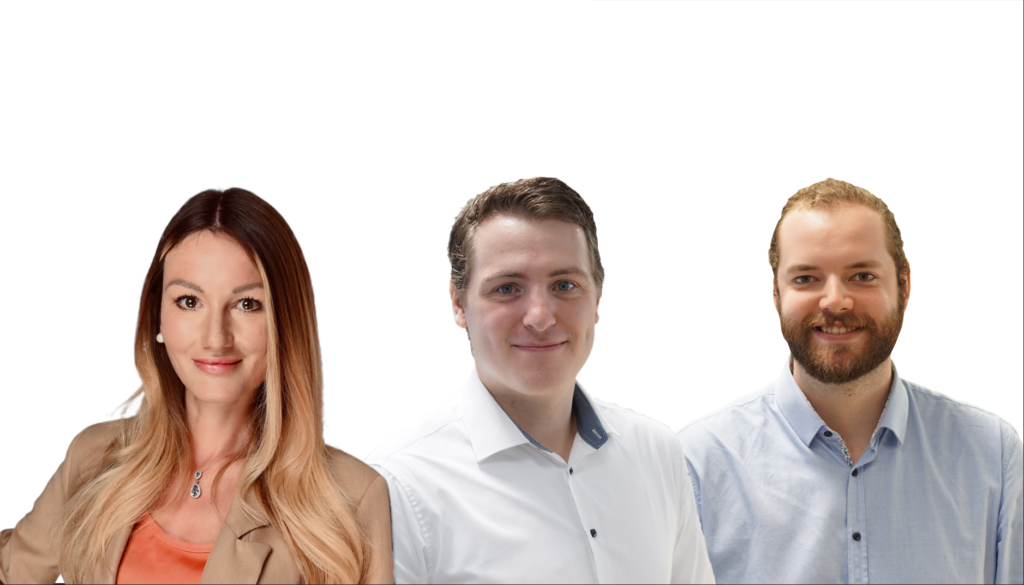
    Founders from left Dr. Pit Podleschny, Marlene Reusmann and Marvin Hodde
    ,

    Hydrogenea develops and manufactures innovative membrane electrode assemblies (MEAs) for the next generation of fuel cells and electrolysers, enabling maximum service life and efficiency whilst reducing the consumption of scarce resources. As the basis for the catalyst layer, Hydrogenea develops and synthesises long-term stable carbon nanomaterials onto which catalyst material is continuously deposited via electroplating. Compared to conventional products, Hydrogenea’s MEAs are up to 20% more efficient and have a 10 times longer service life. Thanks to a unique fully continuous roll-to-roll system, the process can be scaled up easily.

    The 12-week accelerator programme exceeded all our expectations. It covers all the relevant topics – from intellectual property and market analysis to fundraising. We were particularly impressed by the first-class network, which enabled us to have in-depth discussions and gain valuable insights from experienced experts. Special praise is also due to the programme managers, who provided us with excellent support and expertise. A truly outstanding programme!

    Marlene Reusmann

  • Leitspalt

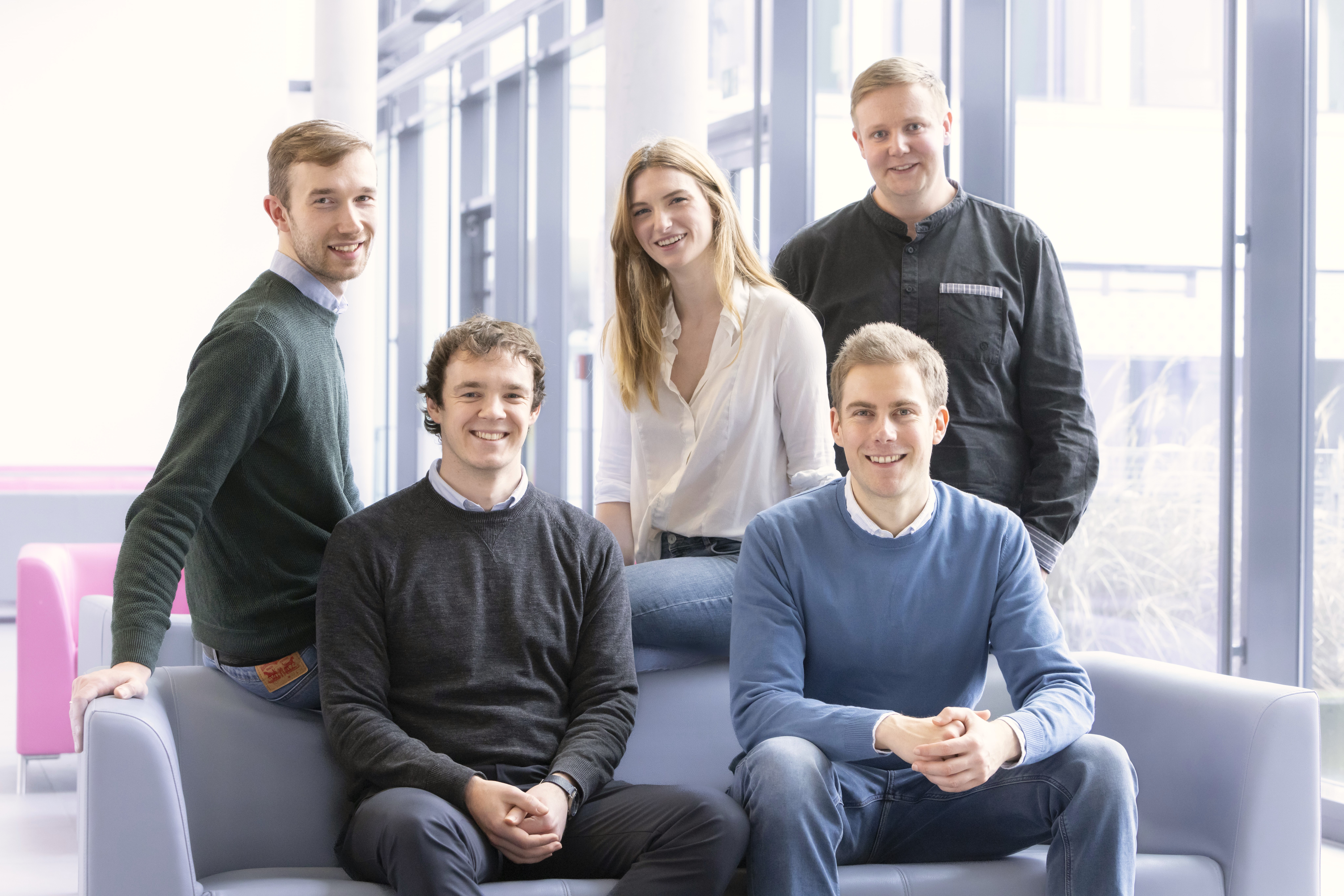
    Team
    ,

    Leitspalt has developed a novel technology for the thermal management of electric vehicle batteries, which enables battery packs to be constructed differently and thereby alleviates various limitations of current electric cars, such as fast charging, range, cost, weight, safety and recycling. Leitspalt uses specialised support structures that can be manufactured using established production processes such as extrusion. A key cornerstone of the technology is an automated, digital pre-design and optimisation process that relies on reduced-scale physical models and enables an agile approach to meeting customer requirements.

    HIGH-TECH.NRW is exactly the kind of accelerator that deep-tech start-ups need to really gain momentum. The past 12 weeks have been the perfect mix of workshops, coaching sessions and, above all, networking. The numerous discussions with experts from all sectors have opened doors for us, reaffirmed our approach and made it clear to us exactly what we need to focus on.

    Jannik Bühring

  • LymphDot

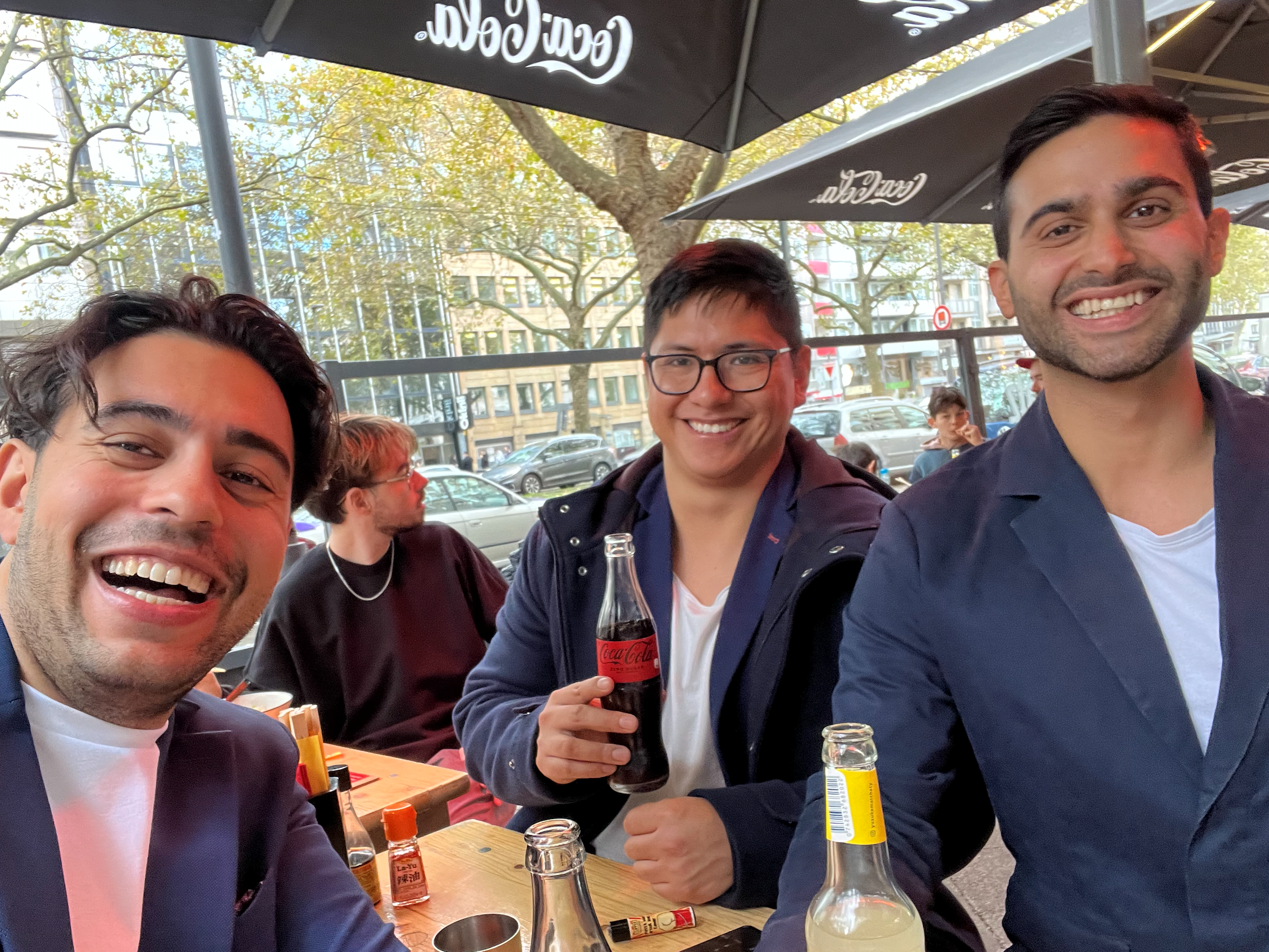
    Founders from left Hamed Farshid und Seyed Ghamary
    ,

    LymphDot is developing a medical device for physiotherapy that features a specialised motor system for automated lymphatic drainage, a dedicated sensor for measuring lymphatic flow, and bespoke software for data analysis and visualisation. The target groups are medical facilities such as physiotherapy practices, rehabilitation centres, oedema clinics and hospitals. LymphDot also addresses the market for immobility and metabolic issues, as well as the fields of sport, health promotion and cosmetics.