Kategorie: Batch #5

  • Assemblean

    Team
    ,

    The Paderborn-based company assemblean has automated the procurement process in contract manufacturing through a supply chain management platform, via which even complex manufacturing orders can be realised as Production-as-a-Service. assemblean coordinates entire production processes for components, modules and products, covering the entire supply chain from procurement through manufacturing and assembly to dispatch. This enables start-ups and SMEs in particular to bring their innovations to market quickly and cost-effectively without the need for existing infrastructure. assemblean’s range of services covers a wide spectrum of processes in mechanical manufacturing, finishing and electronics manufacturing. Both manual, semi-automated and fully automated assembly processes can be managed and continuously optimised.

  • Calogy

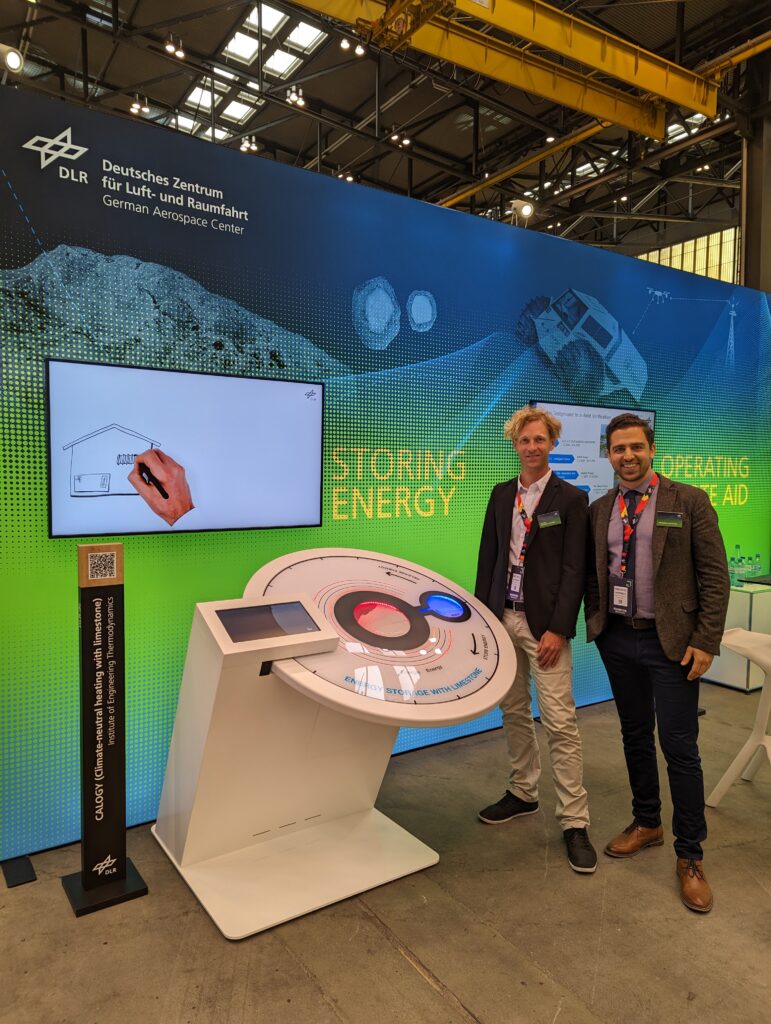
    Team f. l. Matthias Schmidt u. Venizelos Sourmelis
    ,

    Many private households will need to switch their heating systems to renewable sources in the coming years. In Germany alone, this affects 20 million gas and oil heating systems. However, there are currently very few technologies capable of providing climate-neutral heating in winter. At the DLR, a novel thermochemical energy storage system based on lime has been developed for this purpose. The planned DLR spin-off CALOGY aims to offer a storage system for the building sector, thereby paving the way for a renewable heat supply. The technology is capable of storing large amounts of energy efficiently and cost-effectively over long periods. The storage system can be charged whenever renewable electricity is available at a low cost. The stored energy is retained without thermal losses for weeks or even months and is used to provide heating when discharged.

  • CarboScreen

    Team
    ,

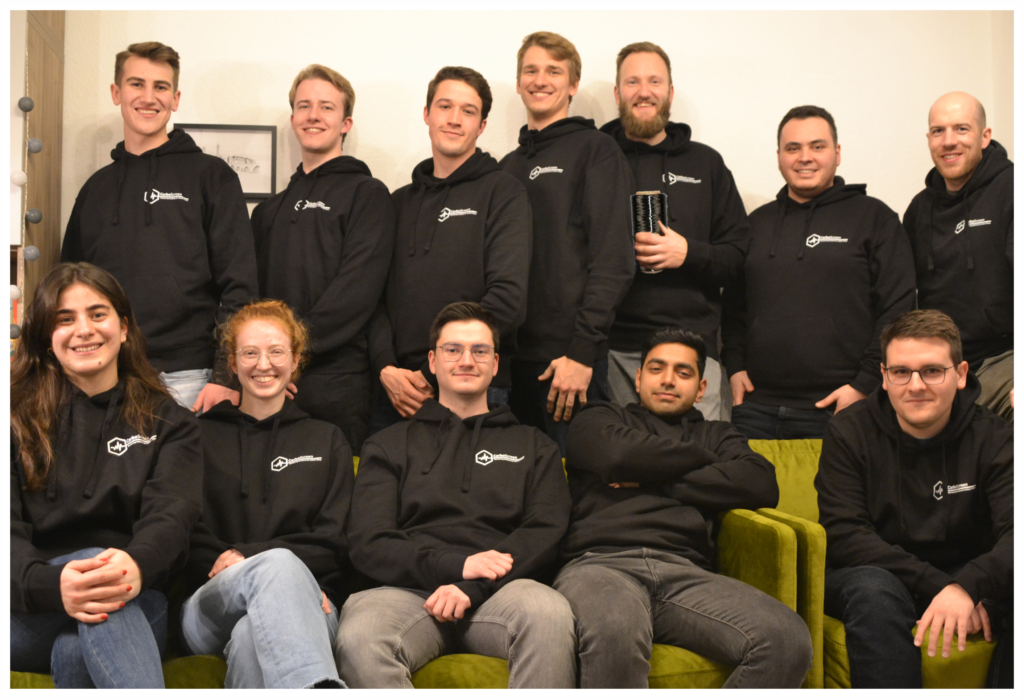
    CarboScreen combines bespoke sensor systems with AI-powered data analysis to digitise the production and processing of reinforcing fibres, such as carbon fibres. Using CarboScreen technology, fibre manufacturers and processors are able to monitor the properties of their product during the ongoing process, thereby making the process more productive, safer and more sustainable. CarboScreen’s initial target market is the fibre composites industry, and within this, in particular, the manufacture of carbon fibres and carbon composites. In the medium term, the technology is also to be adapted for the manufacturing processes of other reinforcing fibres, such as glass or aramid fibres, and for other industrial processes.

  • goatAM

    Team f. l. Fabian Loose u. Tilmann Spitz
    ,

    The Cologne-based start-up goatAM has developed a 3D printer for the patient-specific manufacture of medicines, which enables oral dosage forms to be tailored precisely to individual patients’ needs and produced on a decentralised basis, even in small batch sizes. The target markets are all sectors of the pharmaceutical market within the healthcare/life sciences sector that produce personalised medicines, in particular pharmaceutical companies, service providers for formulation development and manufacturing, as well as hospital and community pharmacies. In addition, there are numerous secondary markets to be tapped, such as the manufacture of personalised dietary supplements, the production of drug-eluting implants, and veterinary medicine.

  • Layer Performance

    Team
    ,

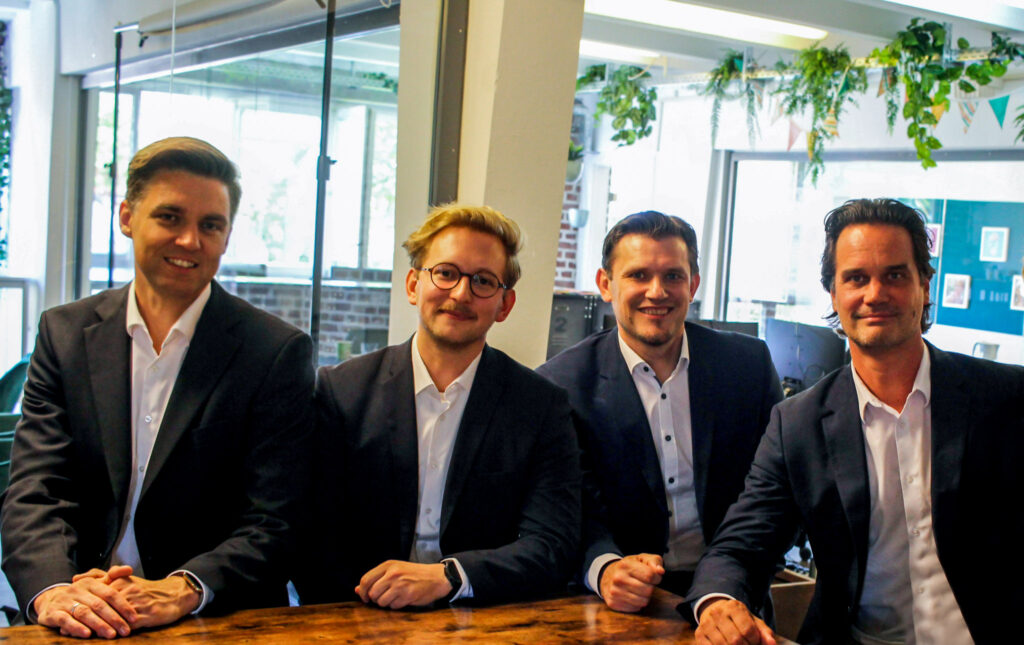
    The Aachen-based start-up Layer Performance develops and markets intelligent slicing software for generating three-dimensional toolpaths for all material-extruding systems in the field of additive manufacturing. The software addresses the issues associated with conventional additive manufacturing, in which two-dimensional layers are applied consecutively, resulting in rough surfaces and low component strength. Layer Performance’s non-planar slicing software enables the 3D printing of components to a previously unattainable standard of quality. This allows components with smooth free-form surfaces and significantly enhanced mechanical properties to be produced, whilst simultaneously reducing material and energy consumption. By printing directly onto existing components, the gap between traditional mass production and 3D printing processes is bridged.

  • Manugy

    Team
    ,

    manugy is a spin-off from Fraunhofer IPT in Aachen and Fraunhofer FFB in Münster. The start-up develops and sells modular, small- to medium-scale, highly automated production lines for energy storage systems, with a particular focus on battery technology. To this end, manugy combines product, process, and machinery and plant expertise to enable customers to manufacture high-quality next-generation battery cells sustainably. The production lines consist of mini-environments whose environmental conditions can be adapted for battery cell manufacturing. The manufacturing processes, tailored to battery cell technology, are integrated into the mini-environments via modular platforms. Subsequent adaptation of the production lines is possible with minimal effort, allowing for a flexible response to demands in the battery market.

  • MechSyn

    ,

    The production of high-performance materials poses significant challenges for sustainability. These include the generation of toxic chemicals and waste, and a high demand for solvents. Furthermore, high temperatures and pressures are required, leading to high energy consumption. MechSyn, a spin-off from the MPI for Coal Research in Mülheim an der Ruhr, overcomes this problem by using special ball mills in which the materials introduced are subjected to mechanical forces, thereby triggering chemical reactions without the use of solvents or increases in temperature and pressure. This results in a significant increase in efficiency compared to conventional methods. The purely electrically powered mechanochemical process enables the synthesis of new materials with improved properties, such as a larger surface area, greater stability or a longer service life.

  • Octo

    Team
    ,

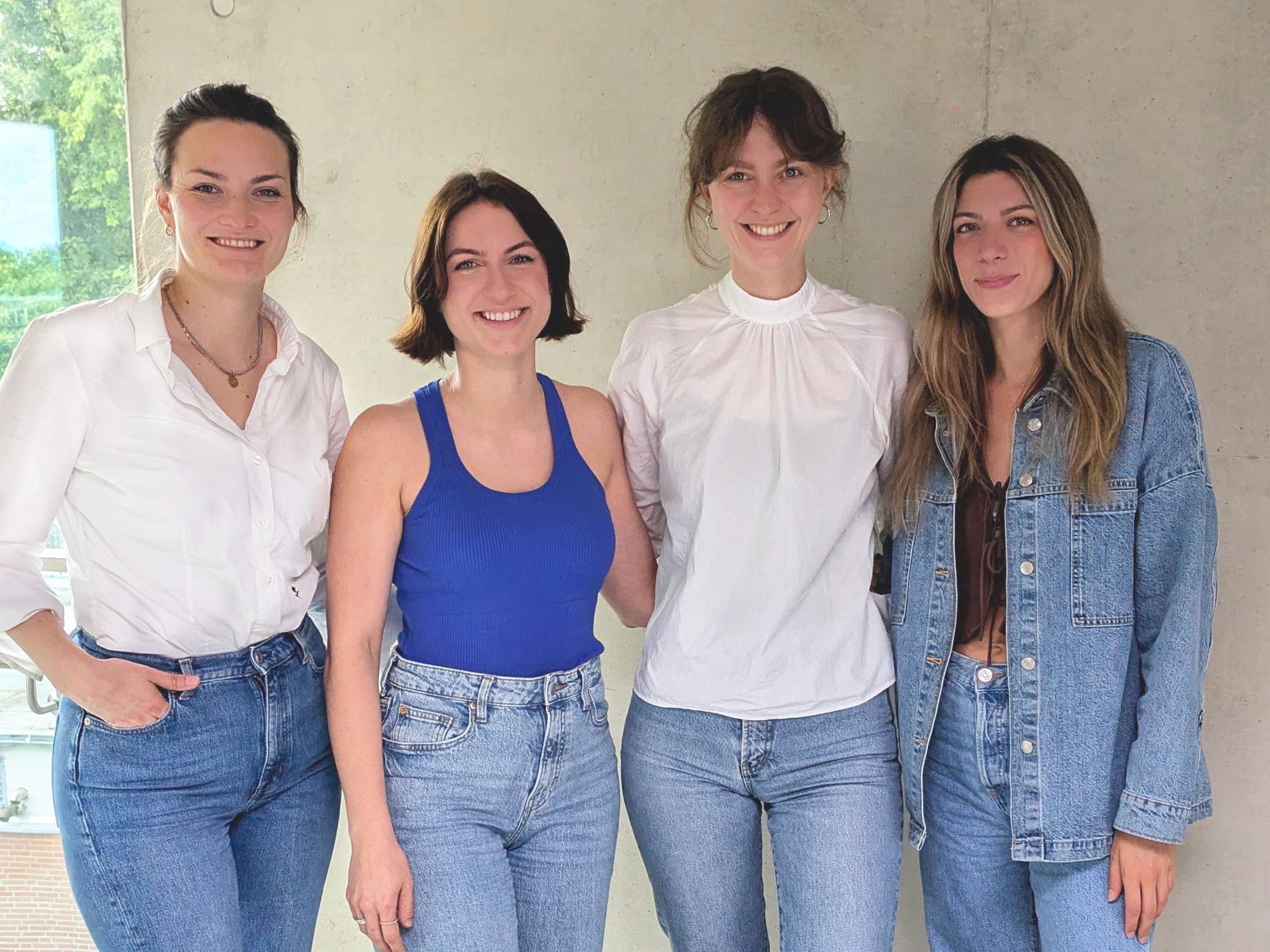
    At present, many water-repellent textiles are made from blended materials, sometimes using chemicals such as fluoropolymers, and are therefore not recyclable. The three-person all-female founding team at Octo has therefore developed a technology that makes it possible to produce water-repellent and breathable fabrics without the use of fluoropolymers. A key feature is the Octo yarn’s water-repellent nature, which means the fabric remains dry even when submerged. It also reduces friction and provides thermal insulation. The Octo yarn is a circular monomaterial, made from recycled materials and can also be recycled again at the end of its life. It is suitable for use in numerous applications, such as outdoor clothing or technical textiles.

  • Power2Polymers

    Team
    ,

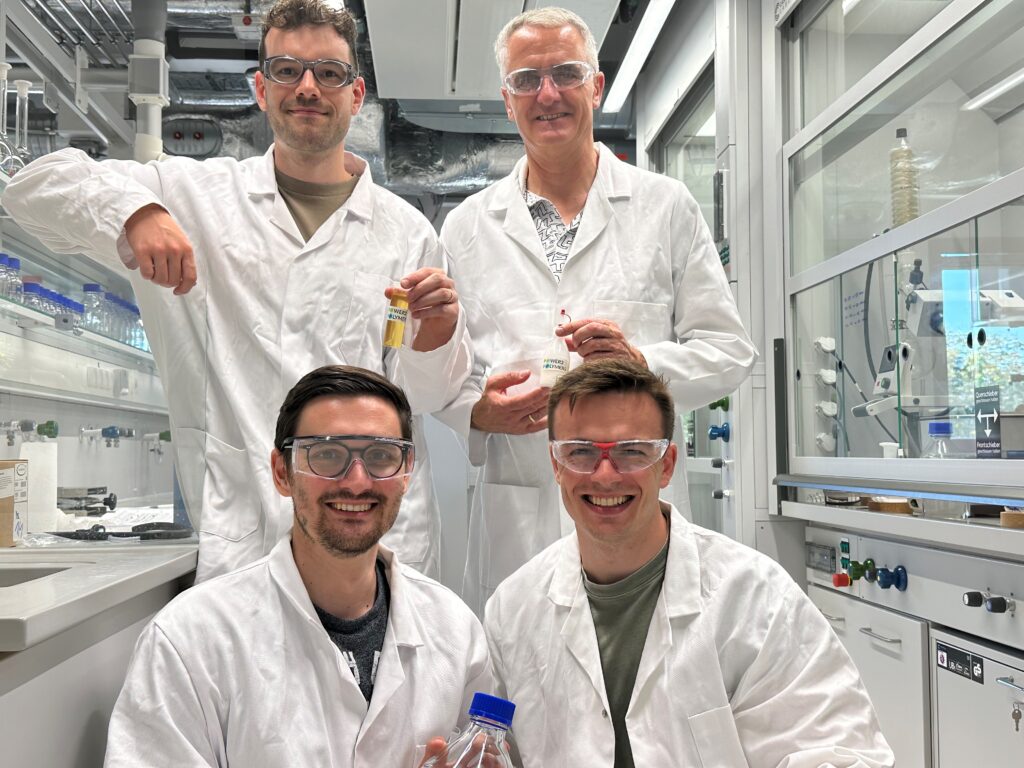
    Power2Polymers, a spin-off from RWTH Aachen University, has developed an innovative technology for the production of cost-effective, sustainable and high-performance polymer products for specialist applications such as lubricants, industrial adhesives and sealants. The technology is based on the integration of a novel building block called POM into base polymers. Protected by a broad patent portfolio comprising eight patent families, the resulting materials offer performance advantages such as improved material compatibility and a CO₂ footprint approximately 40% lower than that of reference materials. They are recyclable, and the POM building block can be derived from renewable raw materials. Furthermore, they have the potential to serve as a sustainable alternative to per- and polyfluoroalkyl substances (PFAS), the ban on which is currently under discussion in the EU and the US due to health and degradation risks.

  • SA-Dymamics

    Team
    ,

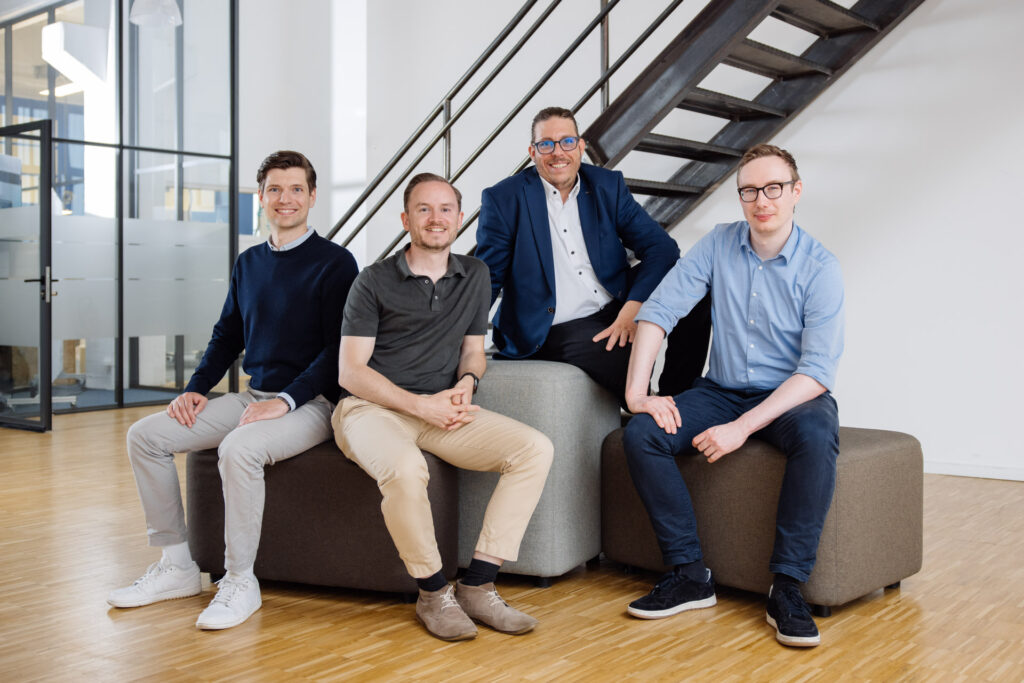
    SA-Dynamics manufactures recyclable, high-performance insulation textiles made from bio-based aerogel fibres. These are intended to replace the insulation materials currently in use, such as polyurethane or polystyrene, which are derived from fossil fuels. The aerogel textiles consist of over 90 per cent air and can be processed on conventional textile machinery. They offer outstanding thermal insulation, are extremely lightweight and fully biodegradable.
    The primary target markets are the textile industry (clothing, personal protective equipment) and the construction sector (thermal insulation). In the long term, the aim is to establish a platform technology that opens up further fields of application in the areas of mobility, aerospace, hygiene/medical technology and high-temperature technology.